Air Drilling vs Mud Drilling for Water Well Boreholes: Key Differences & Best‑Fit Applications
Choosing between air drilling vs mud drilling is the first critical decision on any water well borehole project. These two dominant borehole methods shape your drilling speed, borehole stability, water quality, total cost and equipment selection.These two dominant borehole methods shape your drilling speed, borehole stability, water sample quality, total project cost and equipment selection. Many drilling contractors and project owners search for direct comparisons to avoid costly on‑site mistakes.
Neither method works universally. Your local geological conditions, target depth, groundwater characteristics and job requirements will define which solution delivers better results. Below we break down working principles, head‑to‑head differences, ideal working scenarios and common pitfalls for both air drilling and mud drilling for water well boreholes.
What Is Air Drilling for Water Well Boreholes?
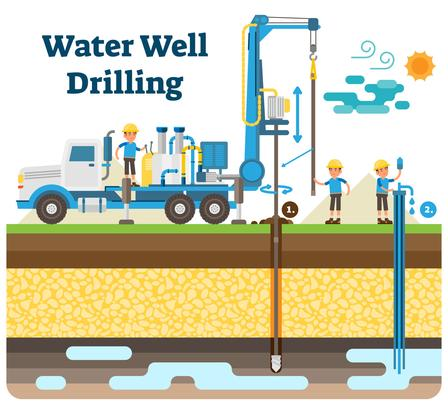
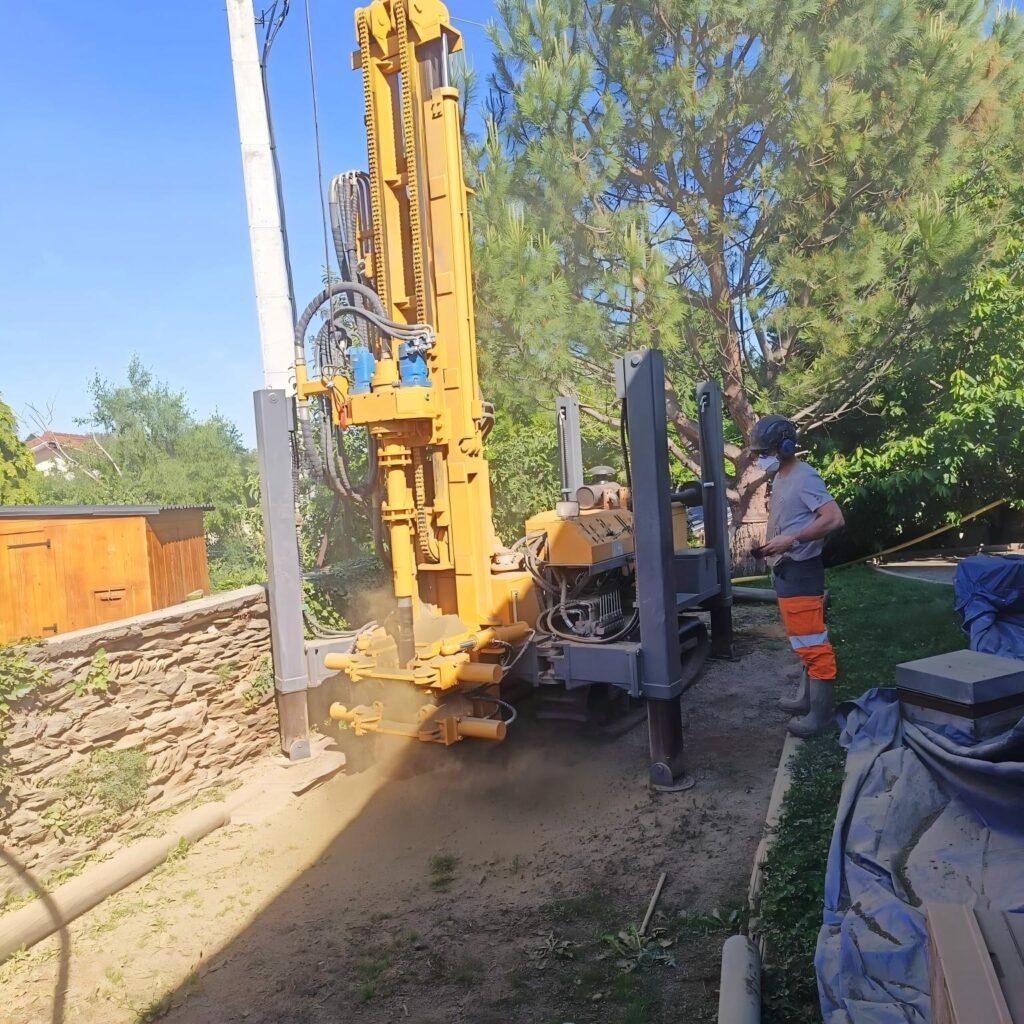
Air drilling (pneumatic drilling) uses high‑pressure compressed air as the main circulating medium instead of liquid mud. A heavy‑duty air compressor pushes powerful airflow down through the drill string. The high‑velocity air blasts cuttings out of the borehole to the ground surface. In some dry rock formations, operators inject fine mist or foam to boost dust suppression and cuttings removal.
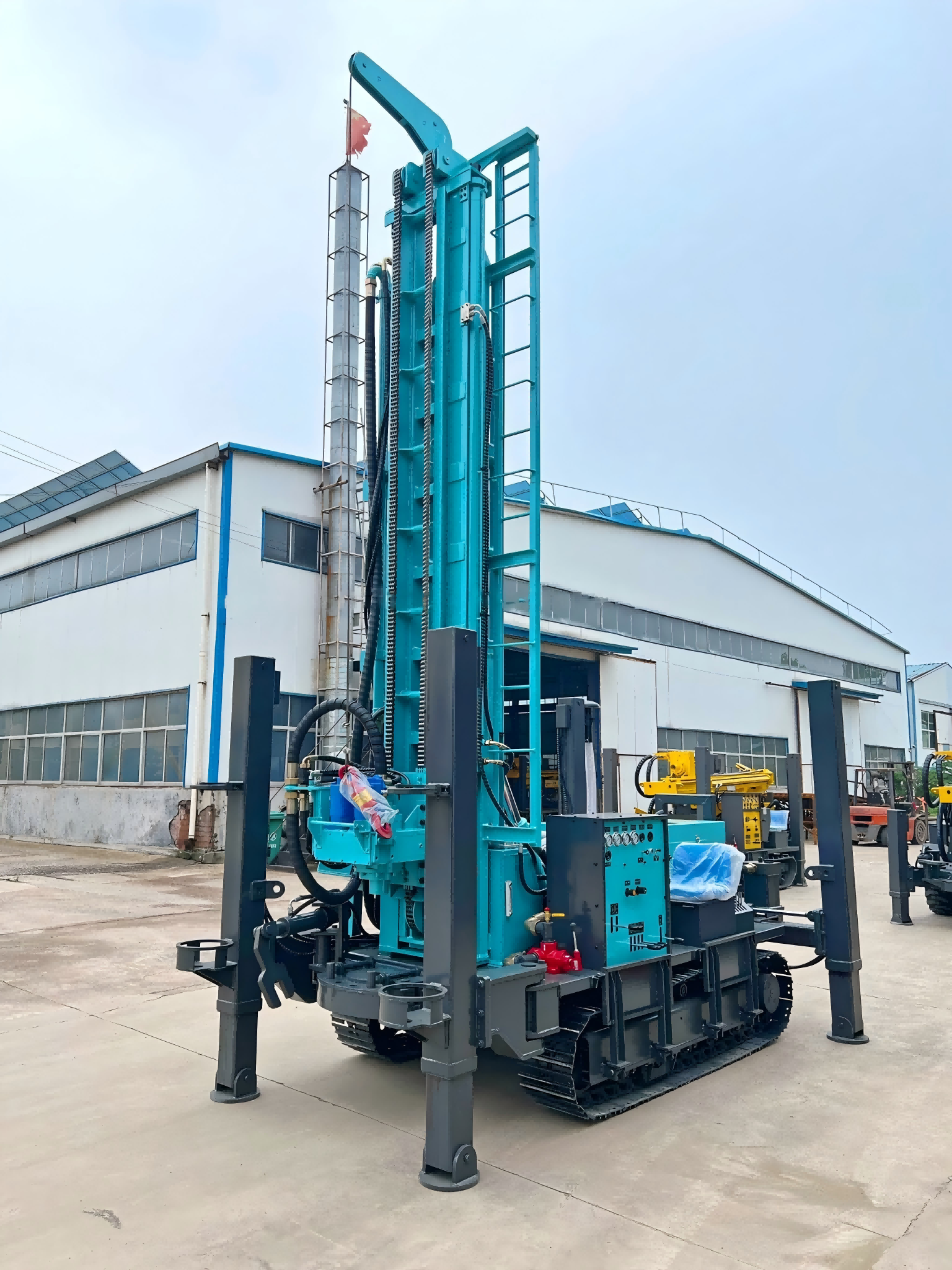
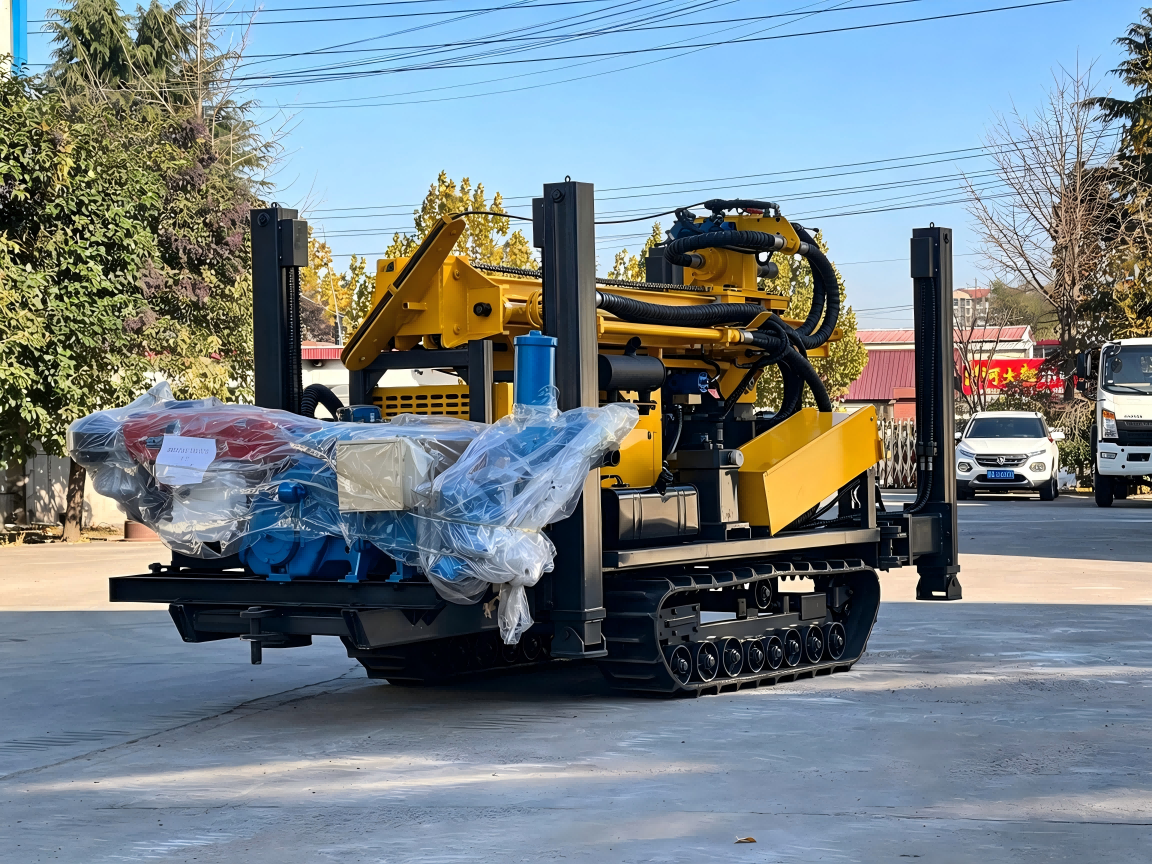
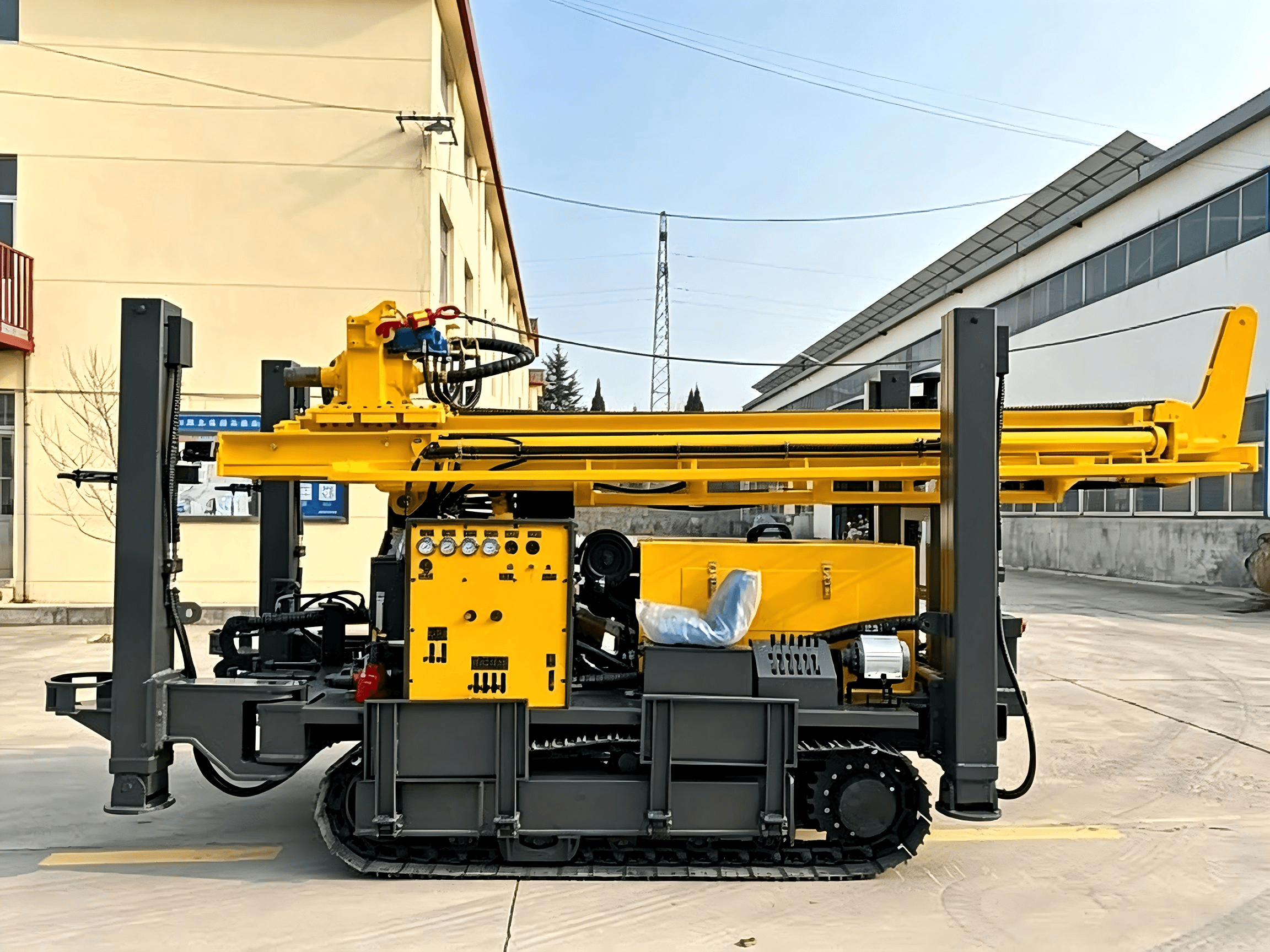
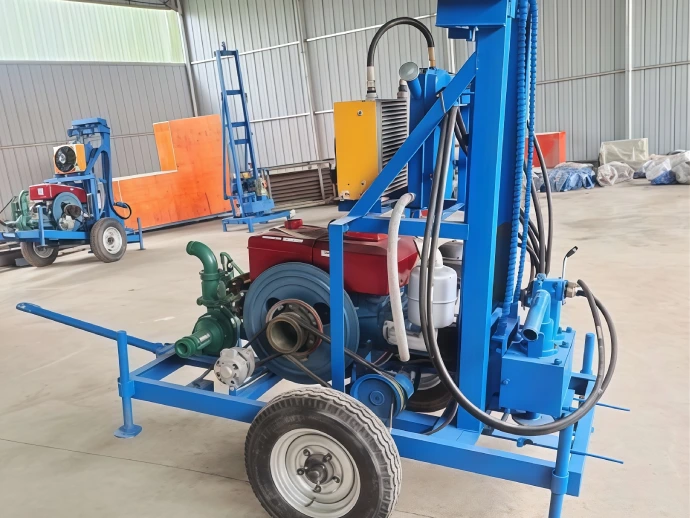
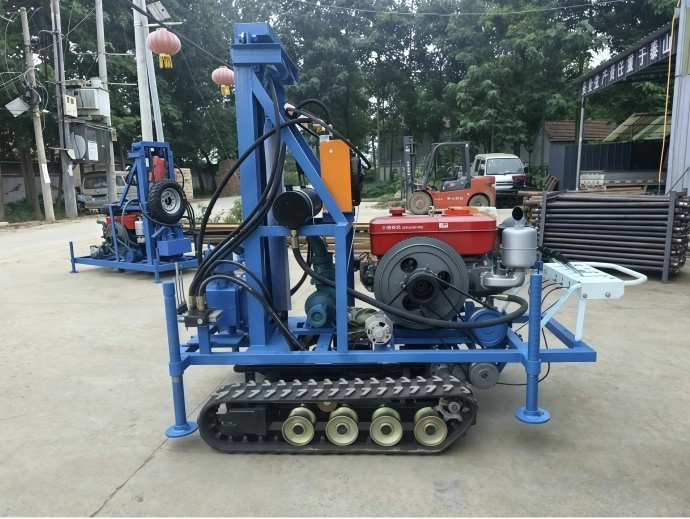
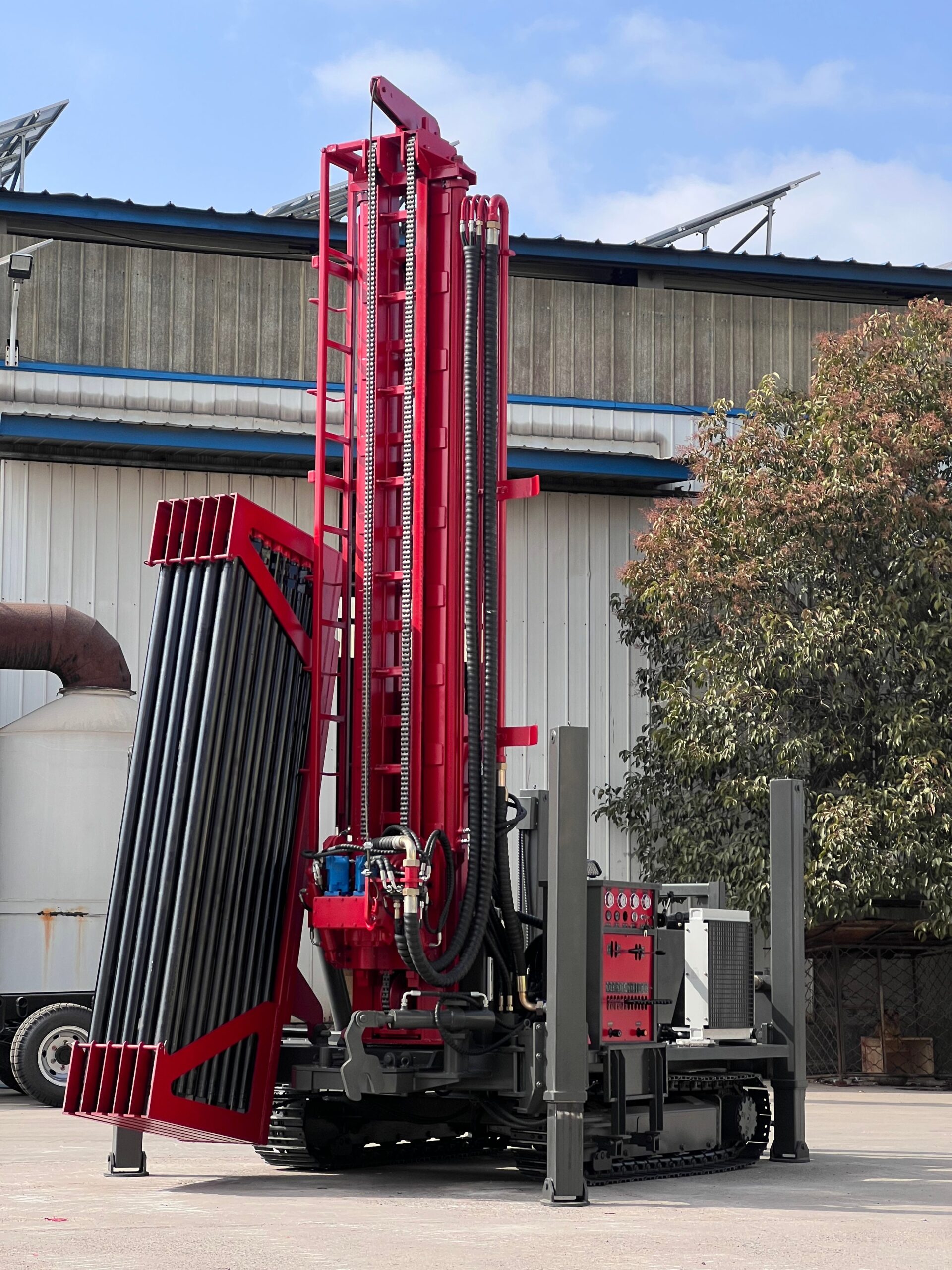
For reliable field performance, check our water well drilling rigs built to support air drilling operations.
Air drilling relies heavily on matched compressor output. It shines in hard, consolidated rock layers. It does not create mud slurry waste on site.
What Is Mud Drilling for Water Well Boreholes?
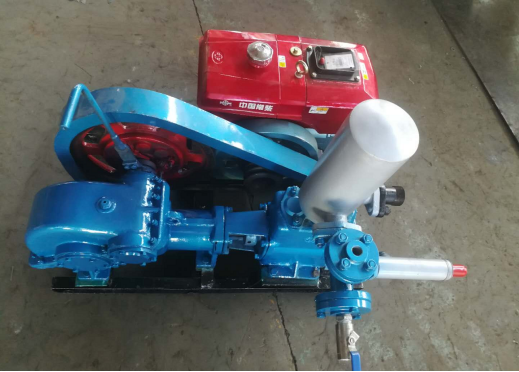
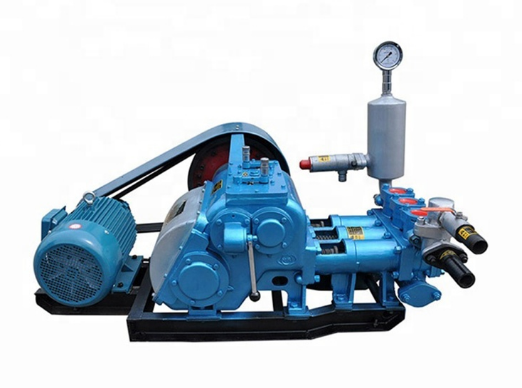
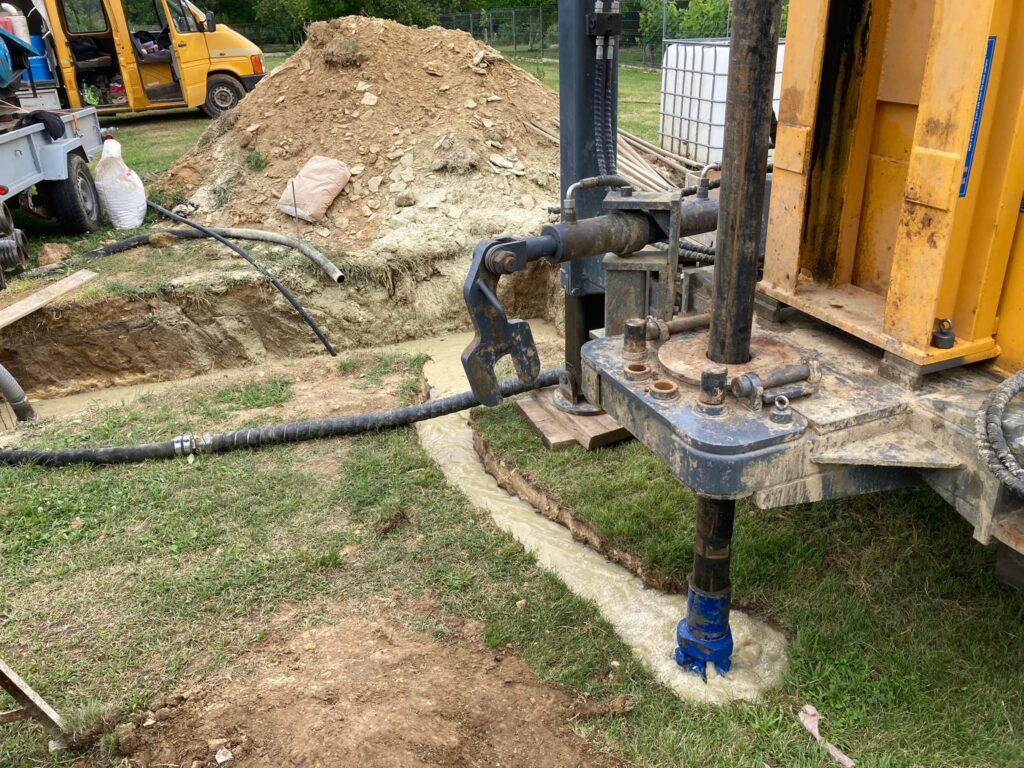
Mud drilling (fluid rotary drilling) uses specially formulated drilling mud (bentonite‑based slurry) as circulation fluid. A mud pump circulates mud down the drill pipe. The mud carries rock and soil cuttings upward back to surface mud pits.
Drilling mud delivers multiple core jobs at once: suspend cuttings, seal loose borehole walls against collapse, cool and lubricate drill bits, and balance formation pressure inside the borehole. Operators adjust mud density and viscosity according to changing ground conditions.
View our mud pumps for water well drilling to support stable mud‑rotary borehole work.
Mud drilling is the traditional go‑to method for unconsolidated, soft or collapsing ground. It generates large volumes of mud waste that you need to dispose of properly.
Air Drilling VS Mud Drilling: Side‑by‑Side Comparison Table
The table below summarizes how air drilling vs mud drilling perform across key project factors.
| Comparison Item | Air Drilling | Mud Drilling |
|---|---|---|
| Circulation Medium | High‑pressure compressed air (air/foam/mist) | Bentonite drilling mud slurry |
| Core Strength | Fast penetration in hard consolidated rock | Excellent borehole wall support in soft, loose ground |
| Borehole Stability | Poor in sand, gravel, loose collapse‑prone strata | Very good; mud cake seals unstable formations |
| Groundwater Sample | Clean; no mud contamination of aquifer water | Risk of mud contaminating water zones; requires thorough well development |
| Drilling Speed | Very fast for hard rock; slow in wet loose gravel | Moderate speed; consistent performance across soft mixed soils |
| Waste Output | Minimal waste; mostly dry rock cuttings | Large mud slurry waste; needs mud pit & waste handling |
| Water Requirement | Little to no process water | Consumes large volumes of water to mix mud |
| Consumables | Compressor fuel, drill bits, foam agent | Bentonite powder, mud additives, water |
| Equipment Needed | Drill rig + high‑pressure air compressor | Drill rig + mud pump, mud tank / mud pit system |
| Depth Limitation | Performance drops significantly with deep boreholes | Works reliably for deep water well boreholes |
| Downside Risk | Hole collapse in unconsolidated wet gravel/sand | Mud invasion clogs aquifer screens without proper flushing |
Ideal Working Conditions for Air Drilling
Choose air drilling for water well boreholes when you meet most of these site conditions:
- Main formation is hard rock: granite, basalt, hard limestone, consolidated bedrock.
- Formations are stable, minimal loose sand or running gravel zones.
- You want clean aquifer sampling; you need to avoid mud pollution to groundwater.
- Limited site water supply; you cannot source large volumes of mixing water.
- You prioritize fast advance speed to cut project time.
- Site rules restrict liquid mud waste disposal.
When you should avoid air drilling: Avoid air drilling if your borehole crosses thick loose sand, running gravel, highly fractured wet zones. Air cannot hold back collapsing ground. You will face frequent hole collapse, stuck drill string and failed boreholes.
Ideal Working Conditions for Mud Drilling
Select mud drilling for water well boreholes under these field scenarios:
- Dominant ground: sand layer, silt, gravel, alluvial soil, unconsolidated soft formations prone to caving.
- Borehole passes through multiple unstable mixed strata.
- Target well depth is relatively deep.
- You have sufficient water supply and space for mud pits and waste mud treatment.
- Local geology contains high‑pressure water‑bearing loose zones.
When you should avoid mud drilling: Avoid mud drilling where aquifers feature fragile pore structures. Bentonite mud can plug water‑bearing fractures and screens. You need extensive well development work afterward to restore well yield. Also skip mud drilling if your job site has strict zero‑sludge waste regulations.
Quick Decision Checklist for Your Water Well Borehole
Run through this short checklist before locking your drilling method:
- Review geological log: hard bedrock → air drilling; loose alluvial/gravel → mud drilling.
- Check site water access: scarce water → air drilling; abundant water → mud drilling viable.
- Check waste disposal rules: no space for mud pits → air drilling preferred.
- Confirm aquifer protection needs: high priority for clean water sample → air drilling.
- Watch for mixed geology: Many real‑world wells use hybrid workflow: air drill rock sections, switch to mud for unstable overburden layers.
Final Thoughts
When weighing air drilling vs mud drilling, match the method to your actual site geology.Air drilling and mud drilling each own clear advantages for water well boreholes. Air drilling delivers speed and cleanliness for hard stable rock. Mud drilling delivers reliable hole integrity for loose, collapsing ground. Wrong method selection brings stuck tools, collapsed boreholes, low well output and blown‑out budgets.
Always match your drilling technique to actual site geology instead of picking one method for all projects. Understanding these differences also helps you select compatible drilling rig and supporting equipment for long‑term field ROI.