Within geological drilling, foundation construction and water-well projects, mud drilling vs air drilling is the key decision every contractor faces. Mud-pump water drilling and air-compressor air drilling serve most field demands. Therefore, site crews must select proper solutions according to local strata and working conditions. Such careful selection avoids frequent issues, including hole collapse, drill jamming and abandoned holes. It also delivers noticeable improvements to borehole quality and overall construction efficiency.
1. Mud Pump Water Drilling (Suitable for Soft Soil and Complex Strata)
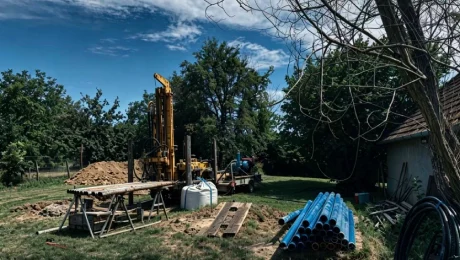
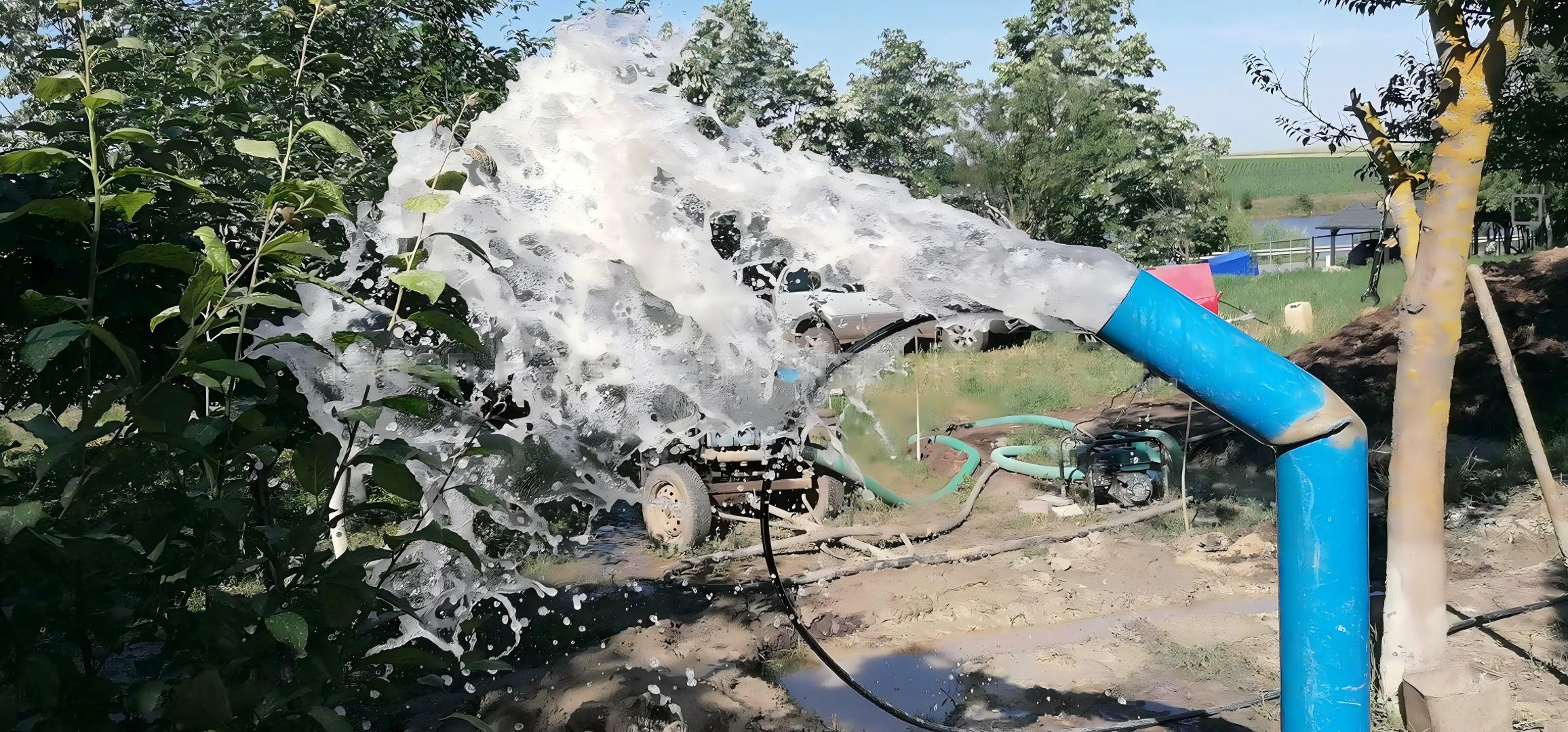
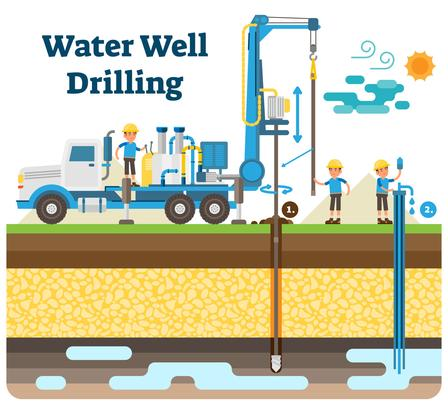
Circulating mud forms the core of this practical drilling technique. It cools drill bits and carries underground sediment out of boreholes. Furthermore, mud pressure builds a reliable protective wall inside each hole. Strong hole‑stabilizing and anti‑collapse performance comes from this mud‑formed barrier. For this reason, this method performs excellently for water‑bearing and loose complex strata.
Applicable Conditions
Clay, silt, miscellaneous fill and quicksand layers all fall within its working scope. Loose sandy soil and water‑mixed strata also respond well to this drilling solution. In addition, field teams treat it as the top pick for unstable, collapse‑prone ground. Plain alluvial soil and coastal soft soil represent two typical ground types for this application.
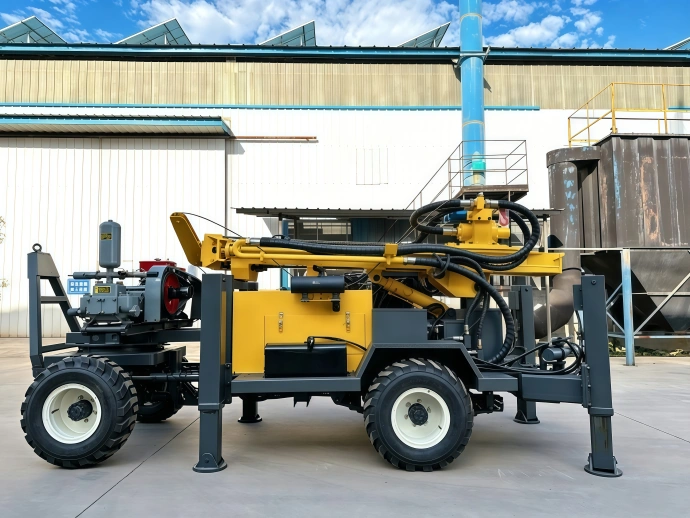
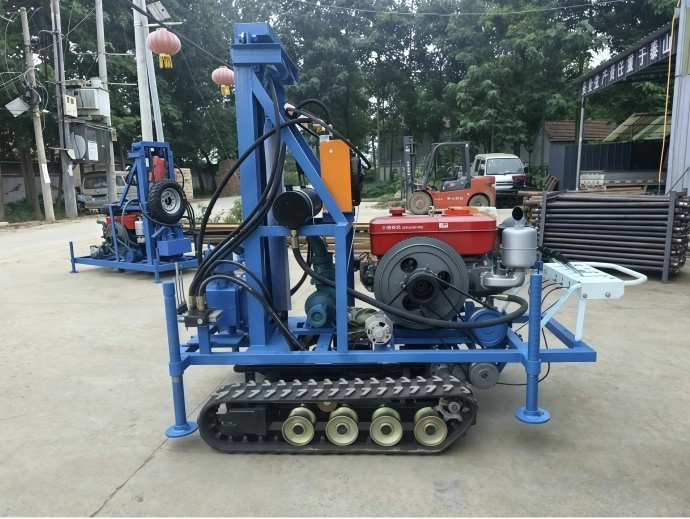
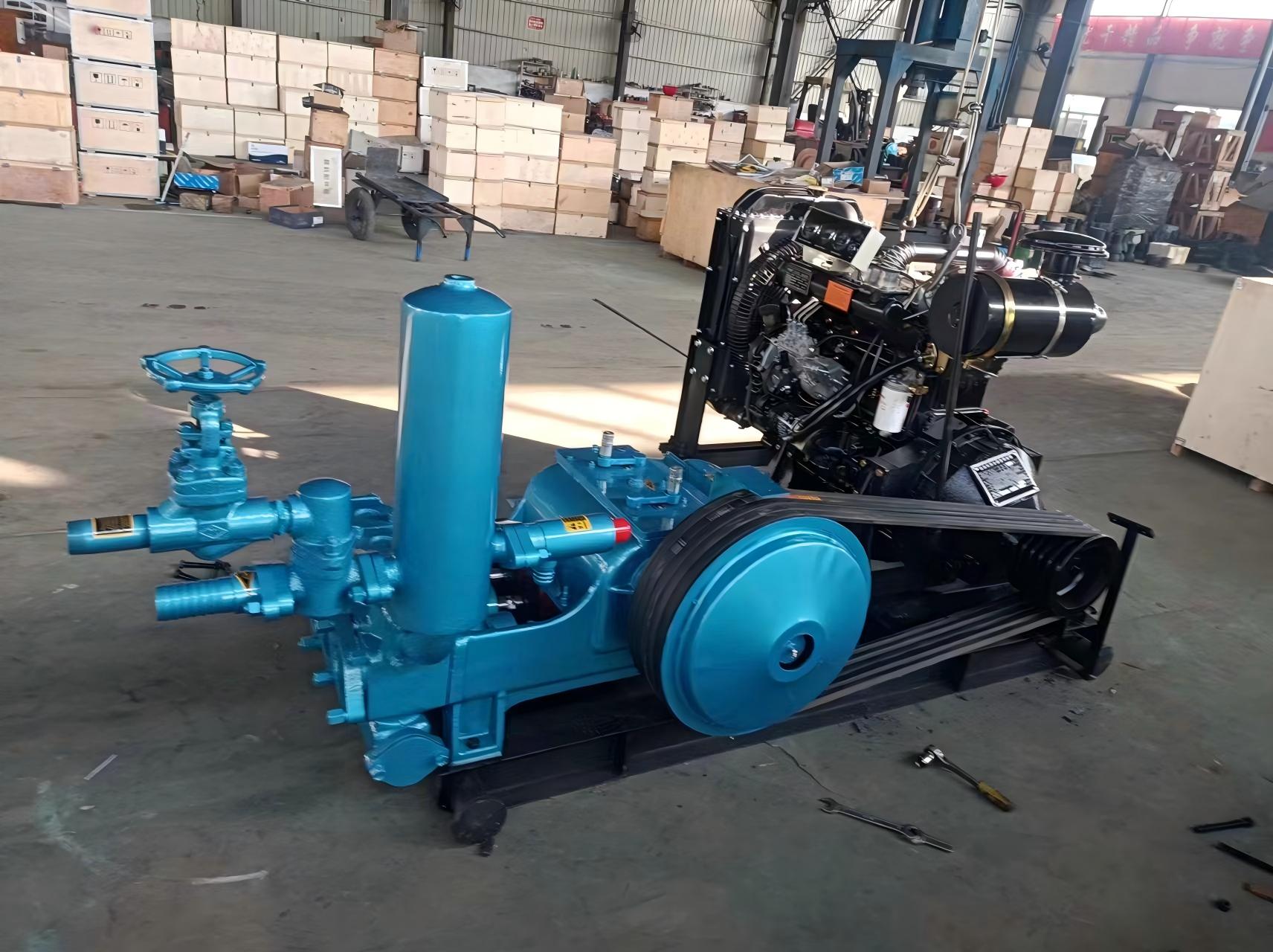
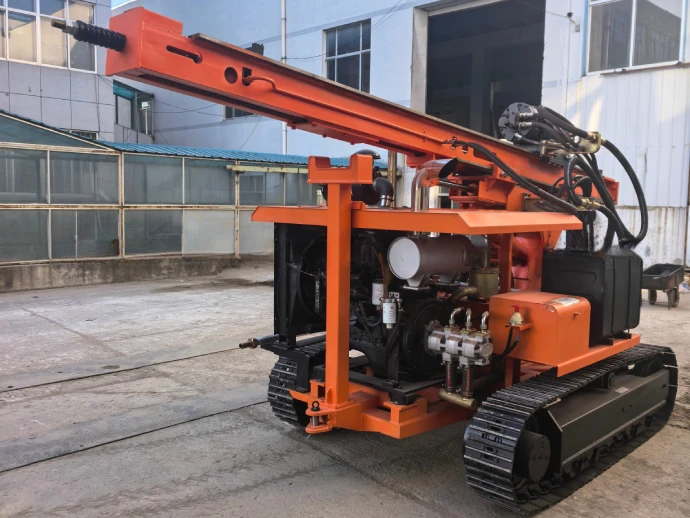
For your mud drilling vs air drilling setup, you can match a proper water well drilling rig with a reliable BW series mud pump for stable field performance.
Applicable Projects
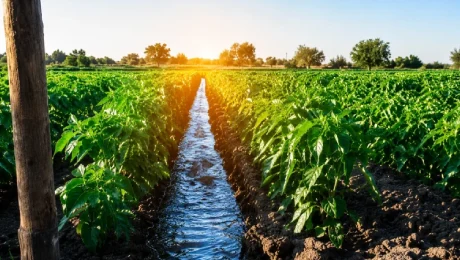
Farmland water wells and residential domestic water wells benefit greatly from this process. Municipal foundation exploration, soft‑soil foundation drilling and river‑bank slope‑protection drilling also rely on it for regular civil assignments. Meanwhile, site operations generate minimal noise and produce zero dust. Environmental protection rules for urban and residential zones are easy to satisfy under such working features.
Core Advantages
Direct mud coverage shields every section of the borehole wall. Stratum disturbance or water loss will no longer trigger hole shrinkage or sudden collapse. As a result, project operators achieve far higher one‑time borehole success rates across soft loose ground.
2. Air Compressor Air Drilling (Suitable for Hard Rock and Dry Working Conditions)
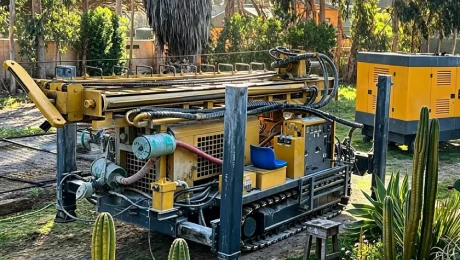
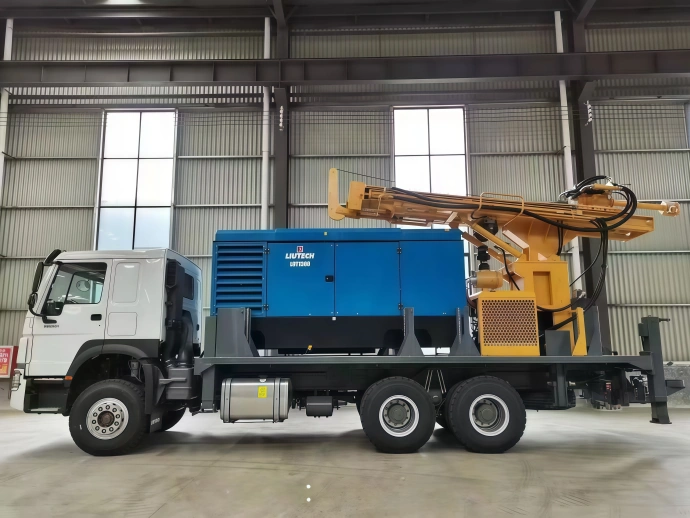
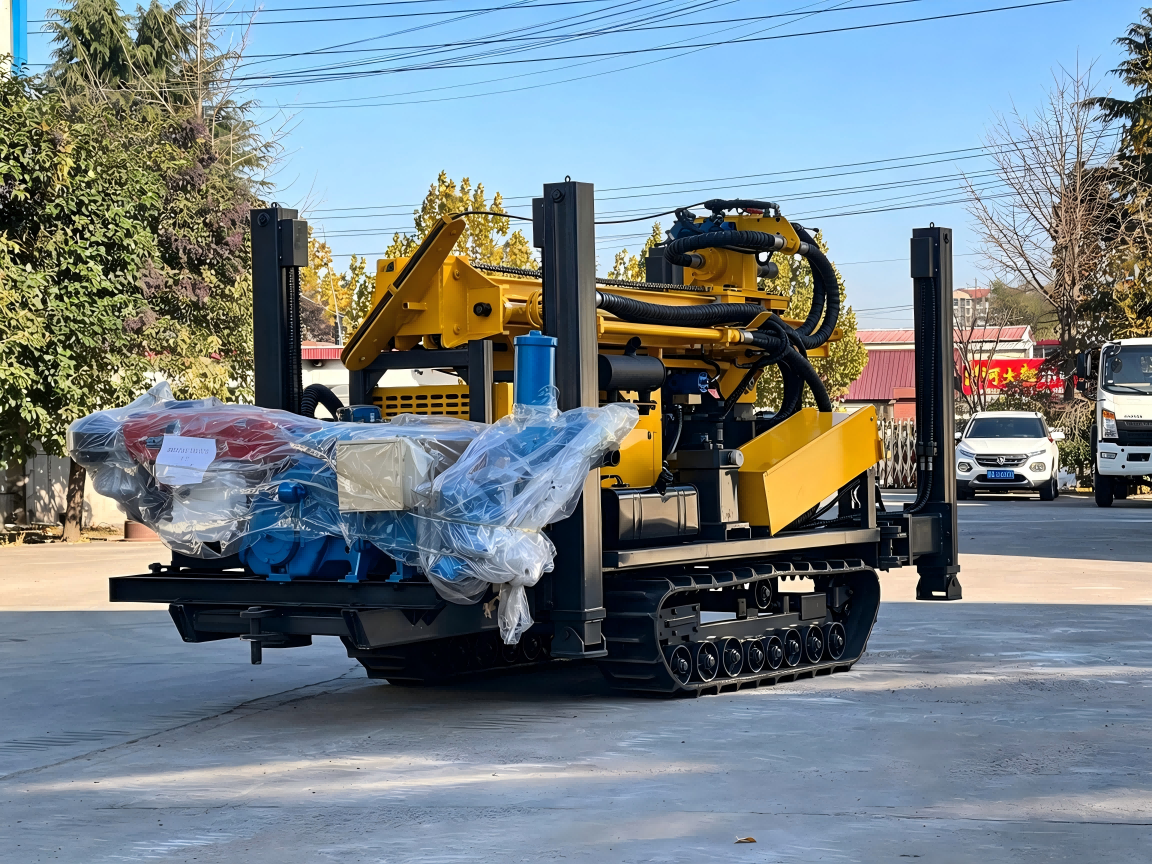
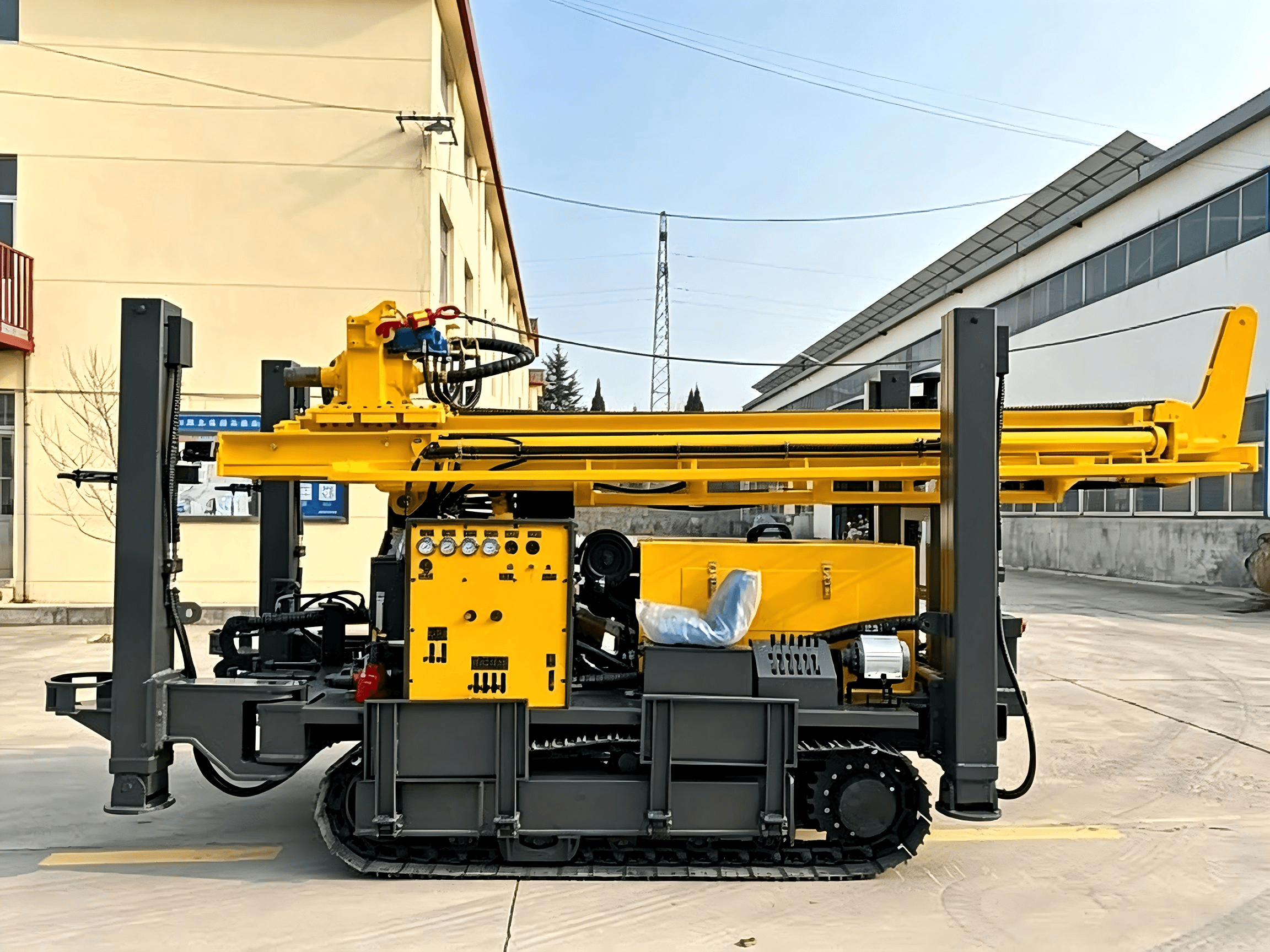
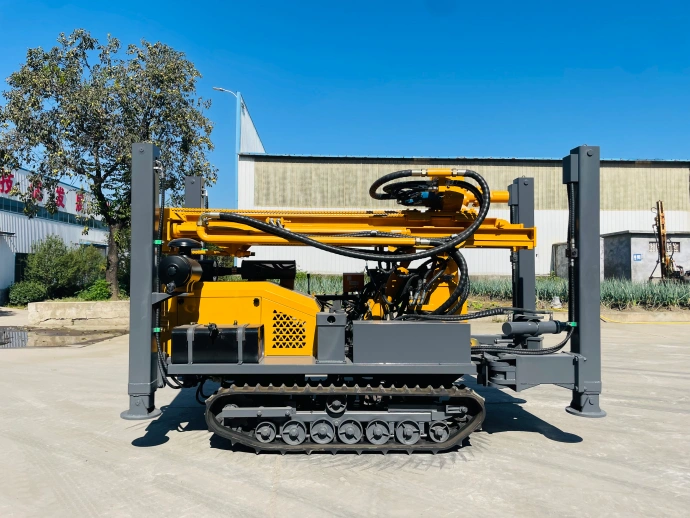
High‑pressure compressed air supplies driving power for air‑drilling workflows. Impact force crushes hard rock formations, while high‑speed airflow blows rock powder out of boreholes. Conversely, this setup requires no on‑site water source at all. Fast drilling speed and flexible equipment relocation bring extra operational convenience. Dry hard‑rock construction gains huge efficiency improvements from this technology.
Applicable Conditions
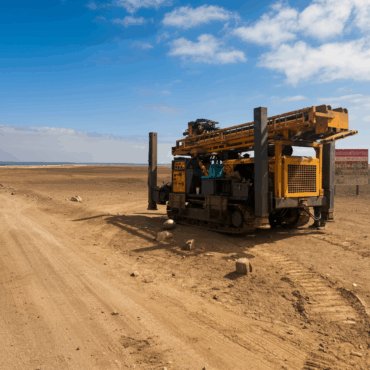
Granite, basalt and weathered bedrock belong to its target stable rock types. Mountain rock formations and Gobi dry hard‑soil areas support this drilling method well. Apart from this, sites must contain no loose quicksand before you adopt this solution.
Applicable Projects
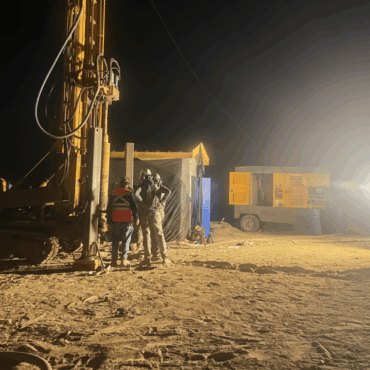
Mountain rock water wells and mine blast holes make frequent use of air‑compressor drilling. Highway and railway slope surveys also count on its reliable field performance. Remote water‑short regions can carry out emergency field drilling with this set of equipment.
Key Taboos
Loose ground layers such as quicksand or soft soil cannot accept this drilling approach. High‑pressure airflow will scour and break down unprotected borehole walls. Large‑scale hole collapse and total hole abandonment will follow such improper operation. By contrast, air‑compressor drilling beats mud drilling by a large margin inside hard rock layers.
3. Industrial‑Standard Construction: Layered Composite Drilling Technology
In practical engineering, most job sites share a typical geological feature. Soft soil occupies upper ground layers, and hard rock lies beneath those surface sections. Thus, field technicians follow an optimized layered construction workflow. Mud‑pump water drilling stabilizes boreholes for top‑layer soft soil, fill and quicksand. Once drills penetrate hard rock formations, crews switch over to air‑compressor air drilling. Rock‑breaking speed receives an obvious boost after this equipment adjustment.
General Selection Principle
Reserve mud drilling for soft soil, wet layers and unstable collapse‑prone ground. Hard rock, dry locations and remote water‑free sites fit air‑drilling operations better. Where possible, match your drilling equipment closely against real‑world site conditions. Construction risks drop significantly with correct equipment matching, and project economic benefits rise accordingly. In summary, proper technology selection forms the core of successful drilling work.
For professional reference on water well construction, you can review related industry guidelines from National Ground Water Association.