For numerous households, agricultural farms, and industrial facilities worldwide, stable access to clean water does not rely on municipal water supply systems. Instead, it depends on sustainable groundwater resources extracted from underground water wells. Above all, to tap into this subsurface water source efficiently and safely, professional water well drilling delivers a sophisticated and standardized engineering solution.
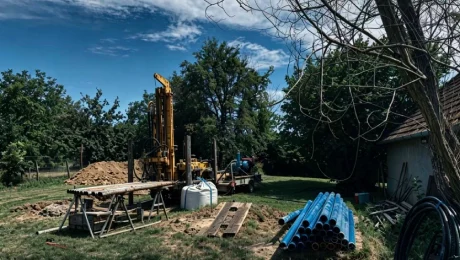
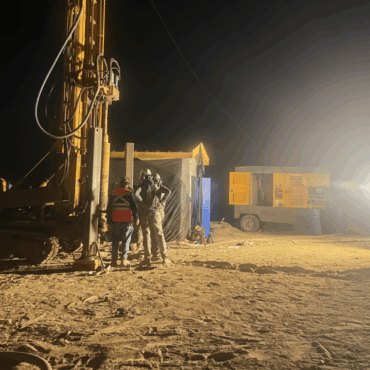
Essentially, water well drilling describes the process of drilling boreholes into subsurface strata to reach confined underground aquifers, as defined by 【U.S. Geological Survey】. However, it involves far more than simple earth excavation work. In fact, the complete workflow covers geological investigation, professional equipment deployment, standardized drilling construction, and well‑completion treatment. Furthermore, these steps help operators build safe, high‑yield, long‑service‑life water wells.
Why Professional Water Well Drilling Is Indispensable
Groundwater development cannot depend on mechanical drilling alone. Therefore, professional technical experience and standardized construction specifications form core prerequisites for qualified well projects. Apart from that, below are the key advantages you gain from professional drilling services.
Scientific Well Siting
Professional drillers perform on‑site hydrogeological assessment and geophysical exploration. Specifically, they aim to pinpoint high‑quality aquifers with stable water yield. Accurate well positioning prevents invalid drilling. In addition, it effectively cuts construction time and investment costs.
Reasonable Drilling Depth & Stable Water Yield
Professional teams study local stratum distribution and aquifer burial depth. Afterwards, they drill to a scientifically‑defined target depth. This work delivers sustainable, sufficient water supply for long‑term domestic, agricultural and industrial use.
Guaranteed Water Quality
Workers carry out standardized construction processes such as casing installation and borehole grouting. More importantly, these steps effectively block surface sewage, sediment and shallow pollutants. As a result, operators stop aquifer contamination and keep groundwater clean and safe.
Standardized Regulatory Compliance
Professional drilling teams understand local water conservancy rules and permit procedures. Thus, they keep all well‑drilling projects aligned with official standards, fully legal and safe.
Water Well Drilling Rig: Core Equipment for Groundwater Development
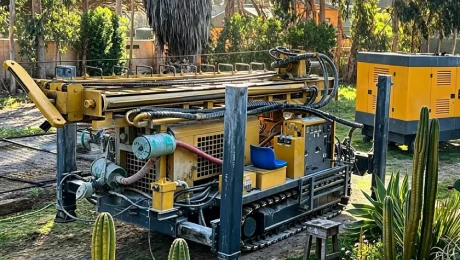
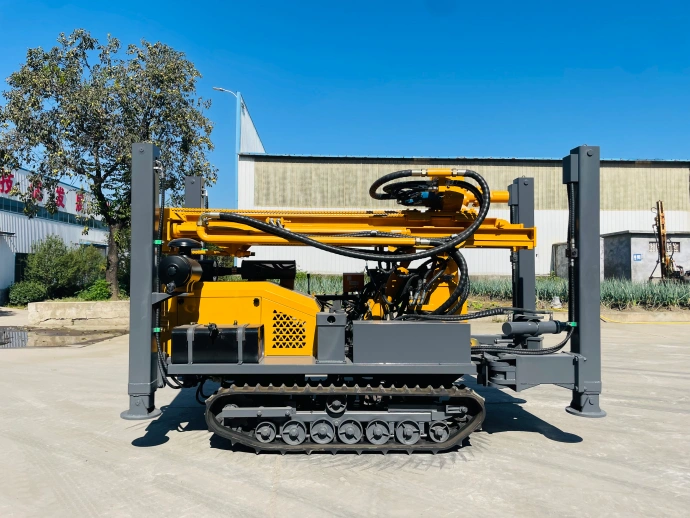
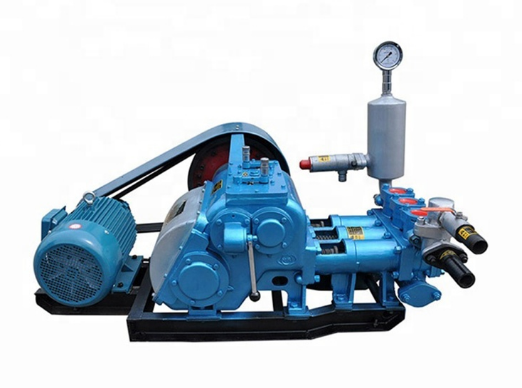
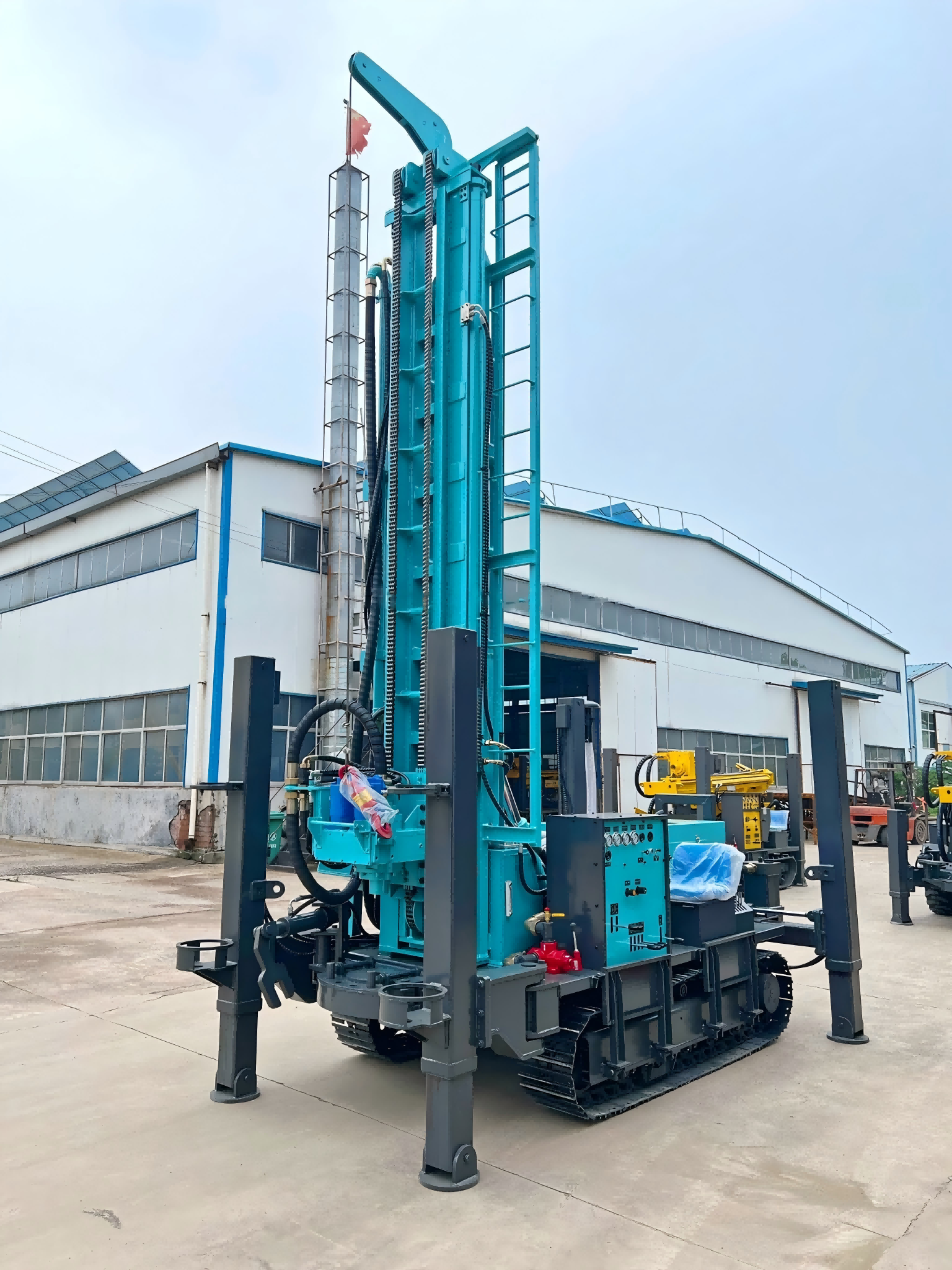
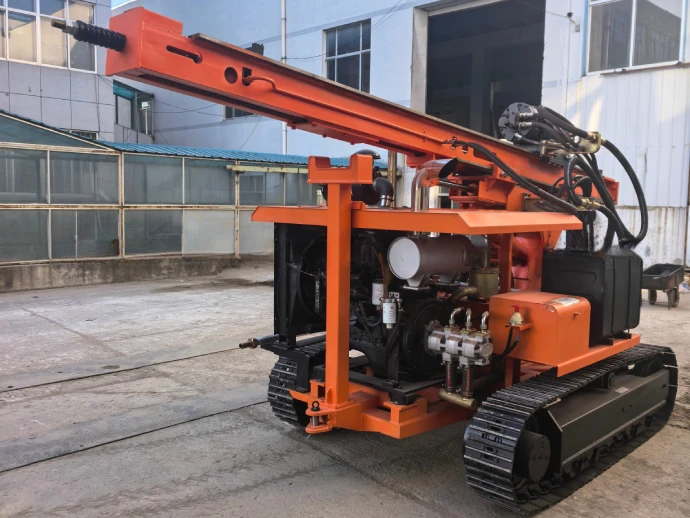
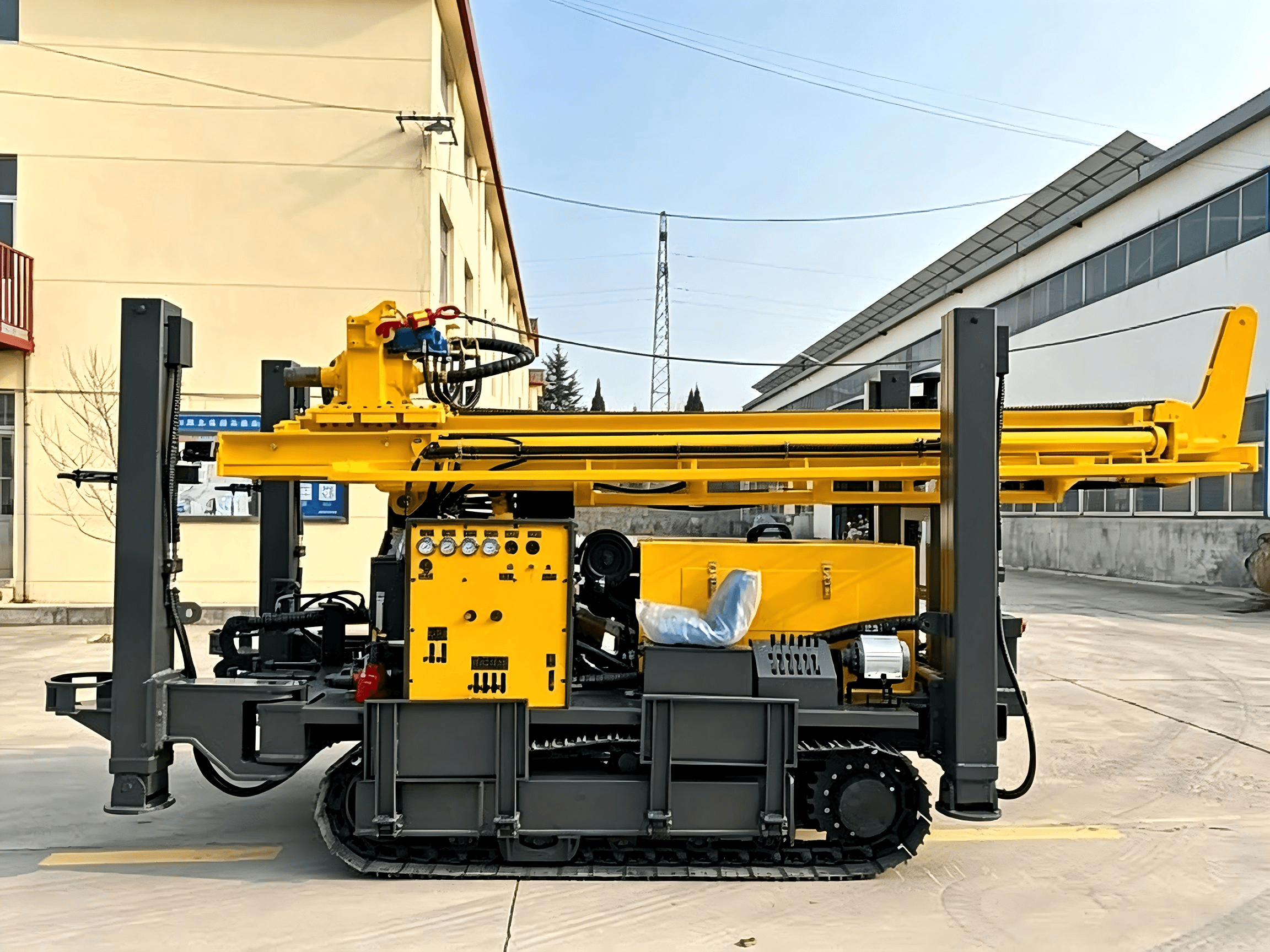
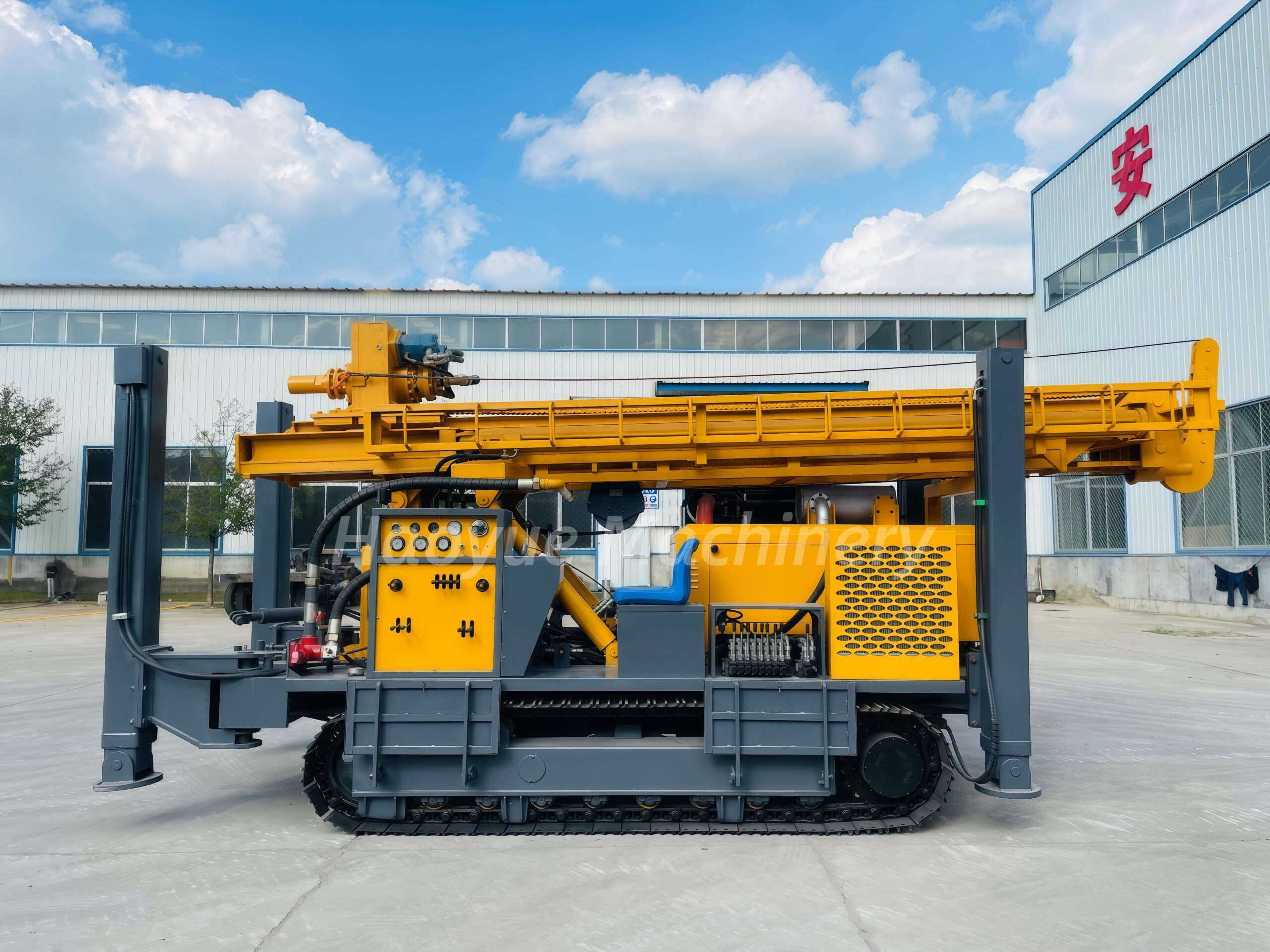
A water well drilling rig serves as core engineering equipment built for stratum penetration and well forming. Common configurations include crawler‑mounted, truck‑mounted and trailer‑mounted rigs. Besides, these units adapt to various complex soil, gravel and hard‑rock strata.
As a professional drilling machinery manufacturer, we fully understand one key truth. Namely, well‑matched equipment and targeted drilling techniques decide drilling efficiency and well‑forming quality.
Operators must tailor drilling‑rig model selection and construction techniques for local geological conditions, target drilling depth and overall project demands. Meanwhile, this process demands solid professional technical support and practical equipment‑matching experience.
Wide Applications of Professional Water Well Drilling
Professional water well drilling works across diverse scenarios. In particular, it meets water‑supply demands for many different fields.
Residential Water Supply
It delivers independent private groundwater resources for rural and suburban households. Consequently, homeowners achieve self‑sufficient domestic water supply and reduce dependence on municipal water utilities.
Agricultural Irrigation
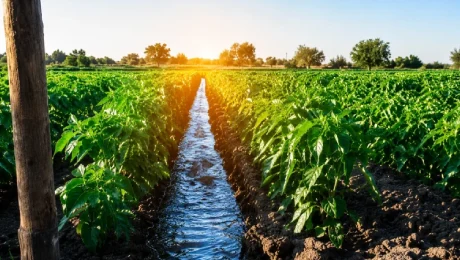
It supports farmland irrigation, fruit orchard water supply and livestock breeding water needs. It resolves water shortages for remote agricultural zones. Besides, it protects crop growth and regular farming production.
Industrial & Mining Water Use
It supplies on‑site production water, dust‑reduction water and mineral‑extraction auxiliary water for industrial parks and mining projects. In this way, it satisfies continuous industrial‑sector water demands.
Municipal & Commercial Water Supply
It delivers stable water‑source support for communities, scenic resorts, golf courses and other large‑scale commercial and public facilities.
Geothermal Energy Utilization
Workers place geothermal closed‑loop pipelines inside drilled boreholes. These boreholes support high‑efficiency geothermal heating and cooling systems. Therefore, buildings achieve energy‑saving, eco‑friendly indoor temperature regulation.