1. Introduction: Core Challenges of Mixed Stratum Drilling
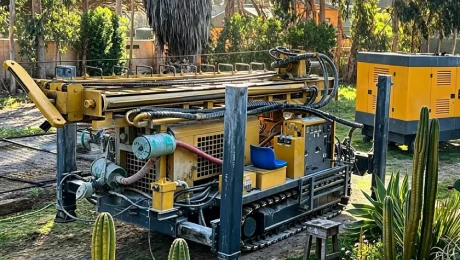
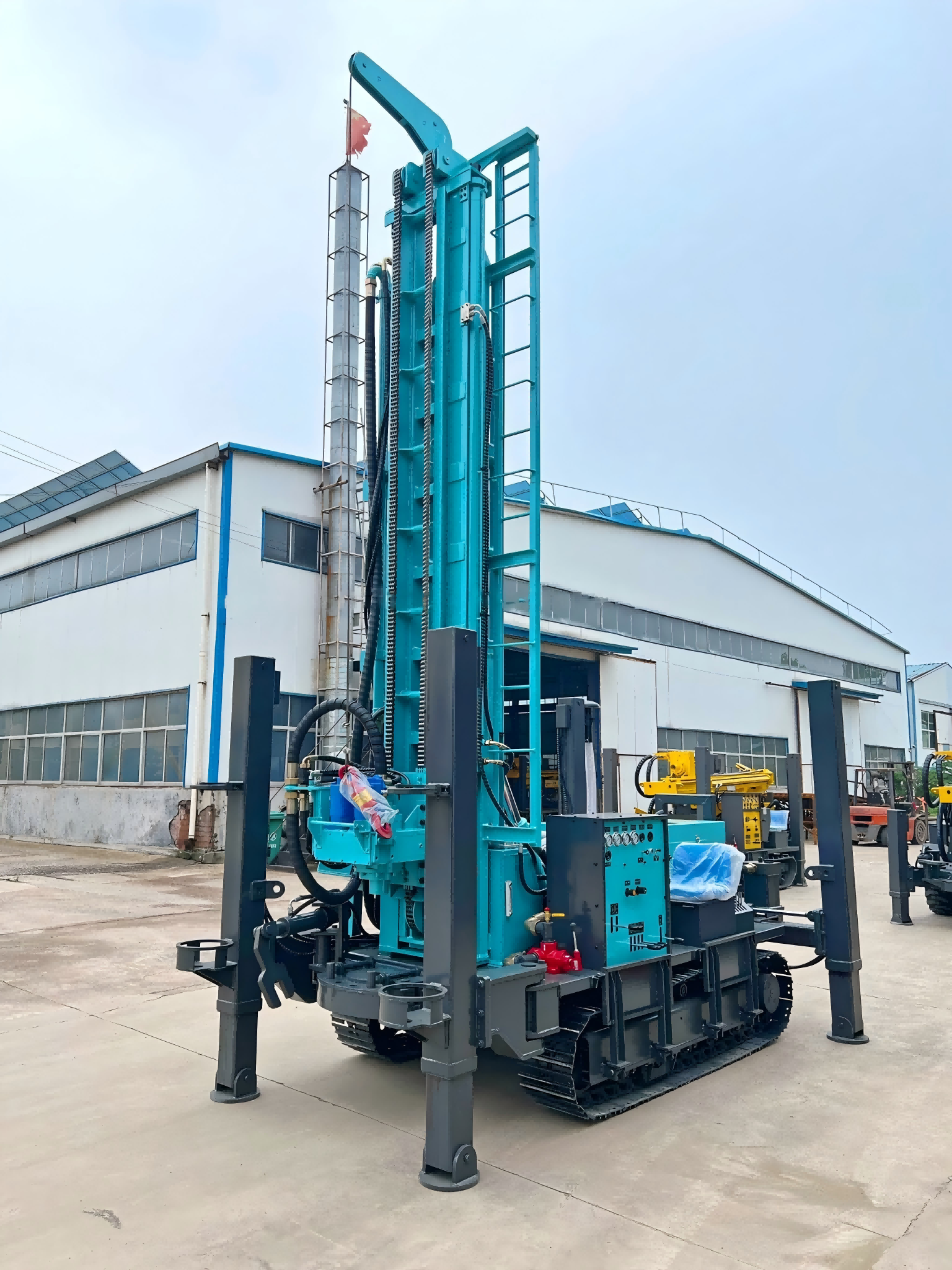
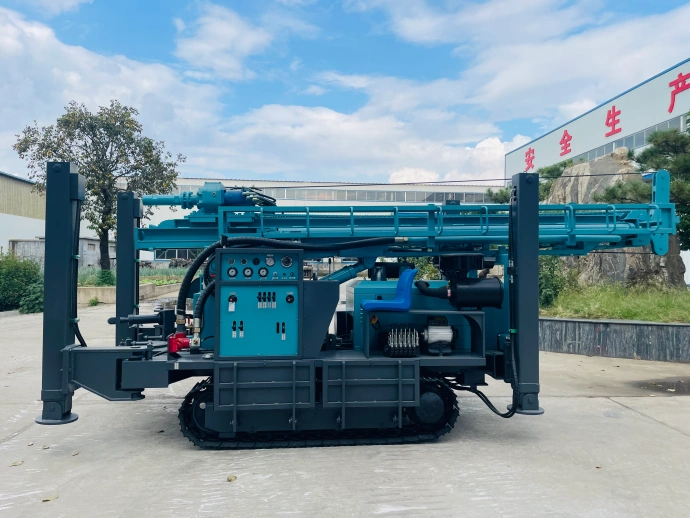
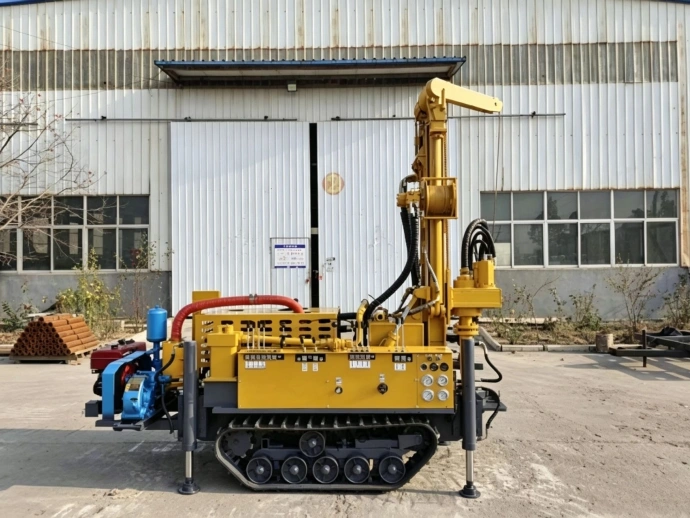
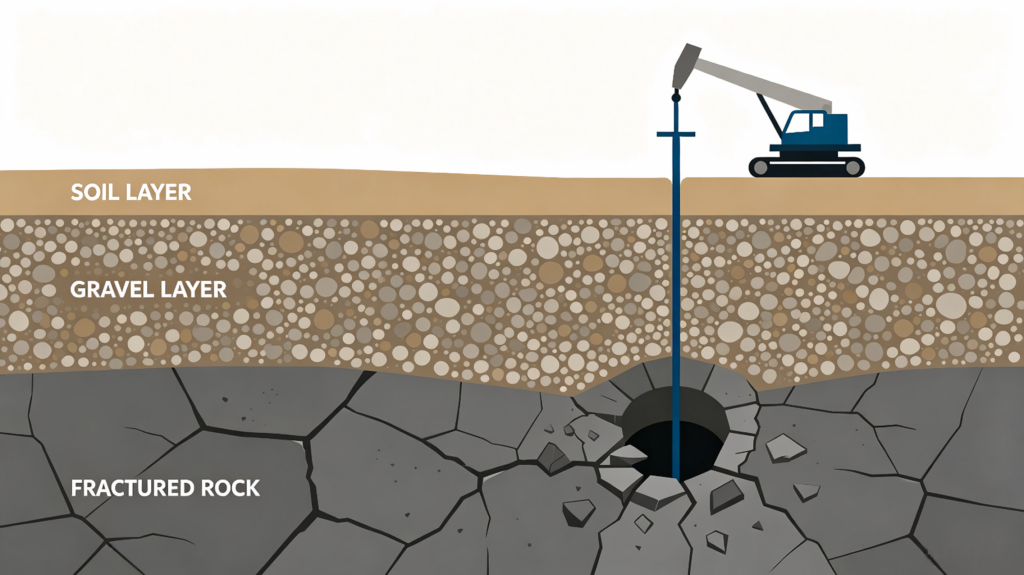
A high‑performance mixed stratum water well drilling rig is essential for tough irrigation projects on mountainous farmland across South America and Africa. Mixed formations of soil, loose gravel and fractured rock are common in these areas. Firstly, these complex underground structures create major risks for irrigation well drilling. Therefore, contractors must choose drilling equipment carefully. Otherwise, unsuitable rigs easily cause borehole collapse, slurry leakage and stuck pipes. Ultimately, these issues delay construction and raise overall operating costs.
2. Common Drilling Hazards in Mixed Soil-Gravel-Fractured Rock Strata
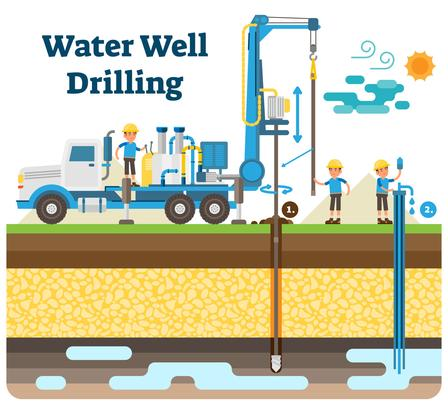
Targeted equipment selection starts with understanding mixed stratum pain points. For one thing, loose soil and gravel lack stable wall support, so boreholes often collapse during fast drilling. For another, fractured rock has dense cracks and broken blocks. This causes uneven resistance, bit deviation and rapid tool wear. In addition, stratum conditions also shift frequently during drilling. As a result, ordinary single-mode rigs fail to balance speed and borehole quality steadily.
3. Prioritize Dual Drilling Modes: Pneumatic DTH and Mud Drilling Compatibility
Mixed strata feature complex geology. For this reason, contractors should focus on four core factors when choosing a qualified mixed stratum water well drilling rig. Specifically, these include drilling mode adaptability, hydraulic stability, site mobility and environmental durability.
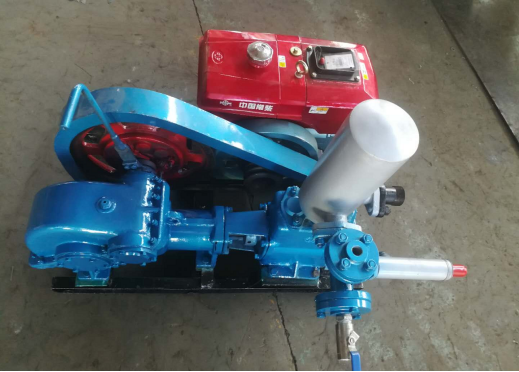
Quality water well rigs support pneumatic DTH drilling with matched air compressors. This way, this mode delivers strong impact force to crush fractured rock and clear underground cuttings quickly. However, pure air drilling cannot handle loose gravel layers well. Thus, premium rigs feature adjustable parameters to stabilize borehole walls. Consequently, they reduce collapse and leakage risks for standard irrigation well construction.
4. Reliable Hydraulic System Avoids Pipe Sticking and Drilling Deviation
Diversified drilling modes rely on a stable hydraulic system. Primarily, sufficient rotary torque helps rigs handle unstable gravel and fractured rock. In contrast, weak hydraulic power easily causes stuck drill strings under uneven resistance. Meanwhile, the optimized hydraulic control system is simple and stable. Hence, operators can adjust parameters flexibly to fit harsh site conditions.
5. Crawler Chassis Adapts to Rugged Mountainous Farmland Terrain
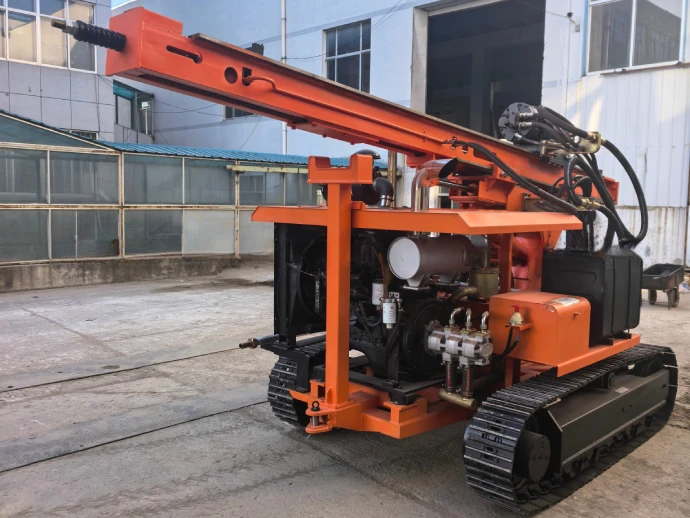
Mobility is critical for scattered mountain farm drilling projects. Generally, muddy fields and rough mountain roads hinder equipment transportation. Fortunately, a rugged crawler chassis solves this problem effectively. Besides, it supports stable travel on soft mud and uneven roads without extra transport tools. Accordingly, it enables fast cross-site transfers and greatly improves project efficiency.
6. High Temperature and Humidity Resistance for Tropical Agricultural Regions
Most mixed-stratum farmland lies in tropical and subtropical regions. Normally, year-round high temperature and humidity accelerate mechanical aging and damage. To avoid this, professional rigs adopt anti-corrosion structures and optimized heat dissipation systems. Furthermore, these upgrades ensure stable long-term operation in hot, humid environments. Finally, they lower failure rates and daily maintenance costs for farm drilling projects.
7. Disadvantages of Low-Cost Light-Duty Rigs for Mixed Stratum Drilling
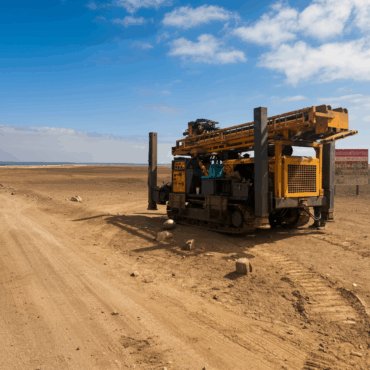
Many contractors choose low-cost light-duty rigs for farm irrigation projects. Unfortunately, these rigs have poor stratum adaptability. Namely, they cannot handle alternating soil, gravel and fractured rock steadily. Indeed, low upfront cost is misleading. In fact, frequent failures and re-drilling work greatly increase long-term operating costs. On the contrary, fully configured hydraulic water well drilling rig with air compressors deliver balanced efficiency, safety and reliability for mixed-stratum tasks.
8. Key Selection Criteria for Long-Term Project Benefits
Mixed soil-gravel-fractured rock strata pose great challenges to agricultural water well drilling. So, buyers should not judge rigs by price alone. Instead, focus on four core performances of a qualified mixed stratum water well drilling machine: dual-mode drilling ability, stable hydraulic torque, crawler mobility and tropical durability. Once applied, matching equipment to local geology avoids common drilling failures. As a result, it ensures high-quality irrigation well projects and maximizes long-term profits.