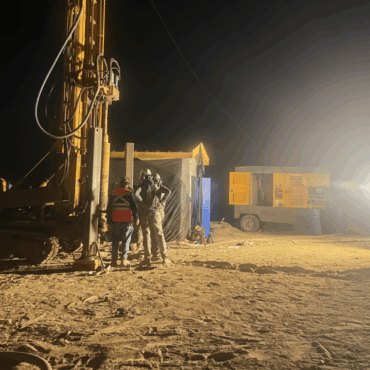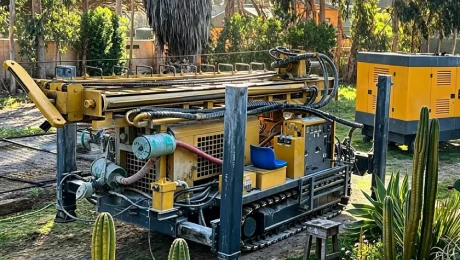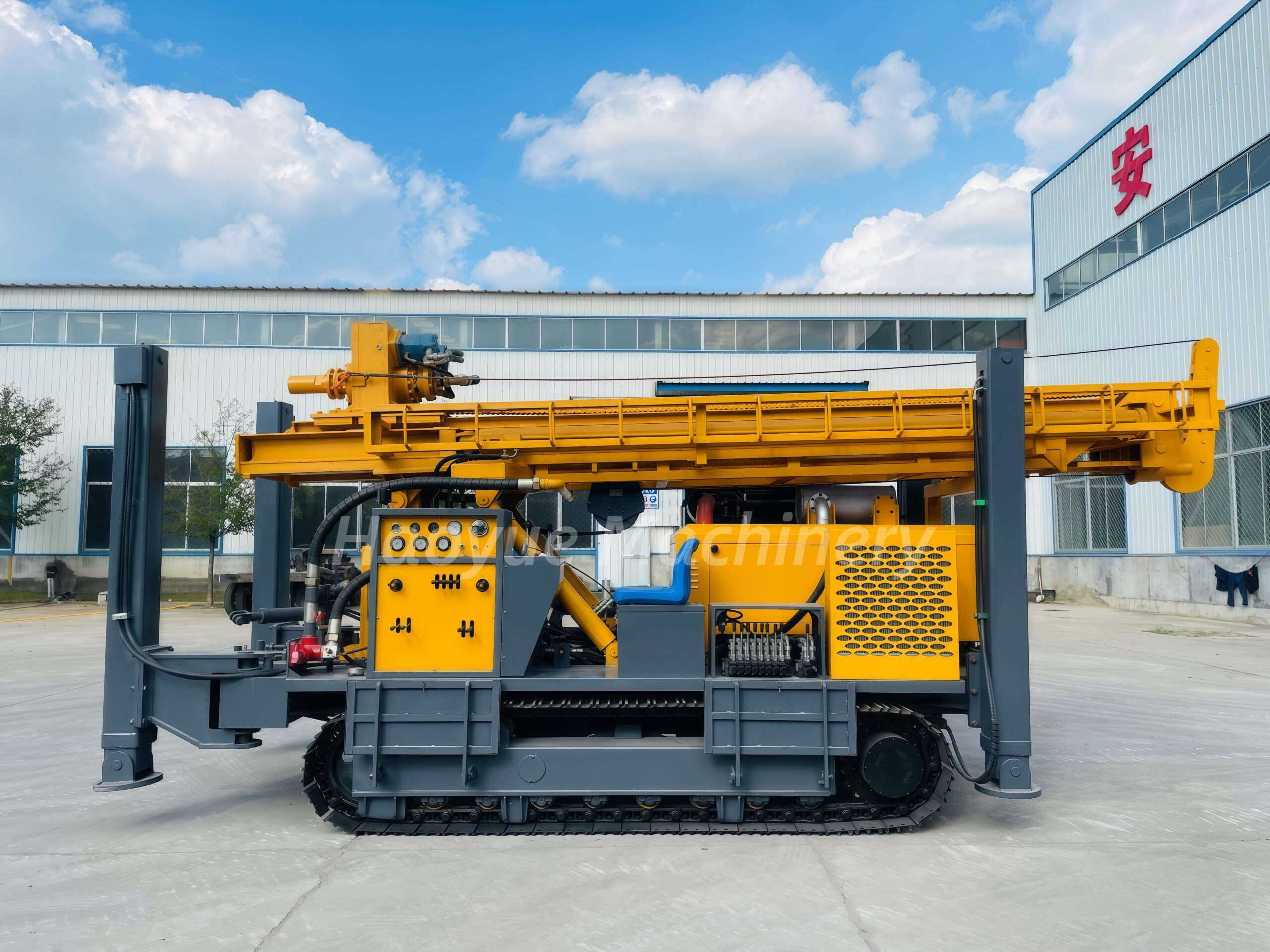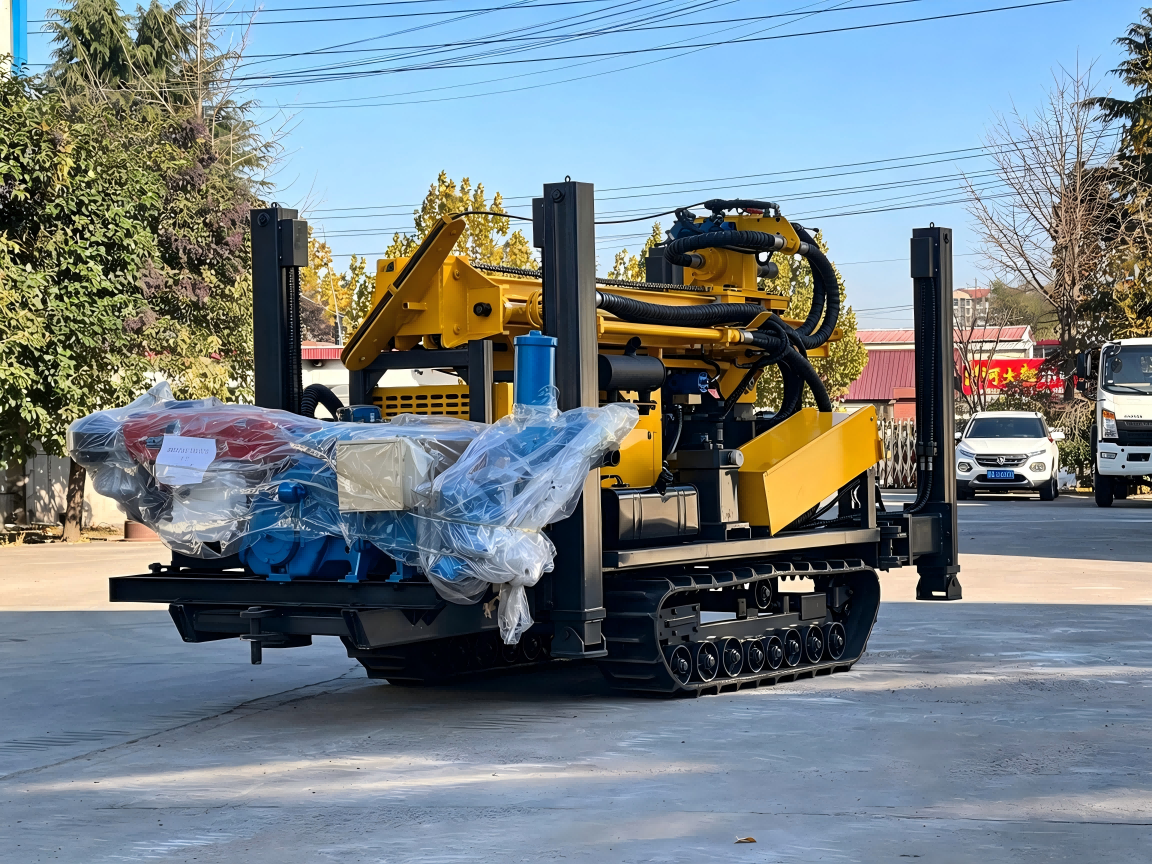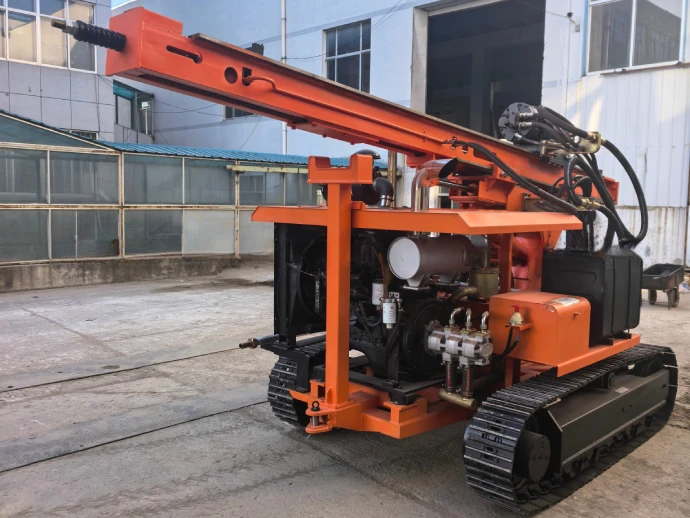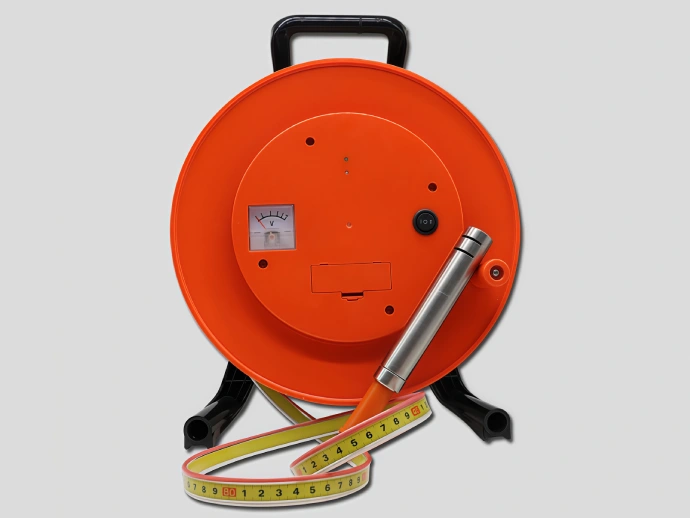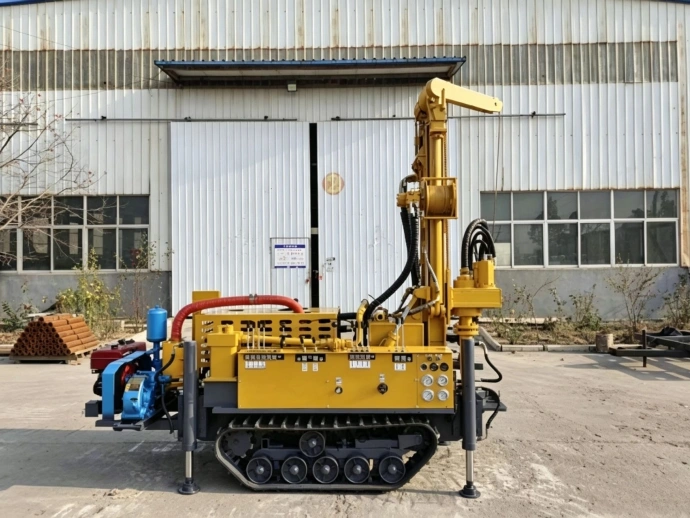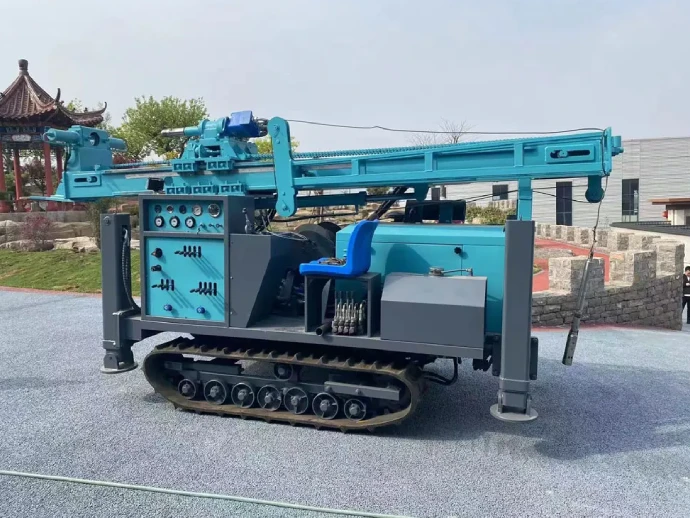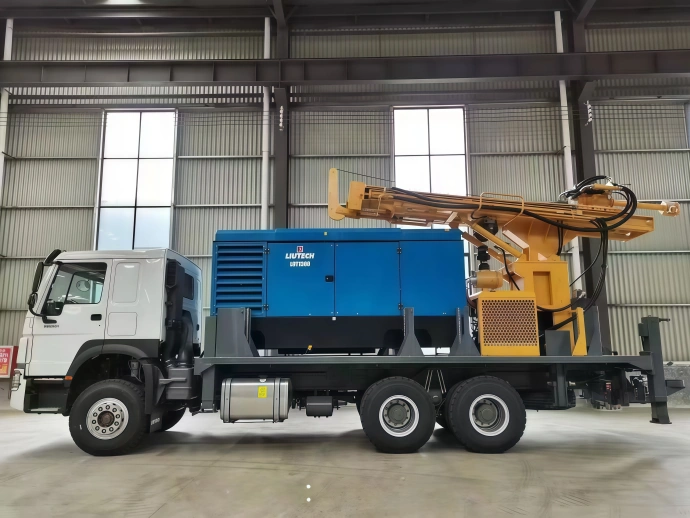
Water well drilling is a systematic, precise engineering process. Complete water well drilling equipment delivers matched professional gear to penetrate strata, stabilize boreholes, and capture qualified groundwater resources.
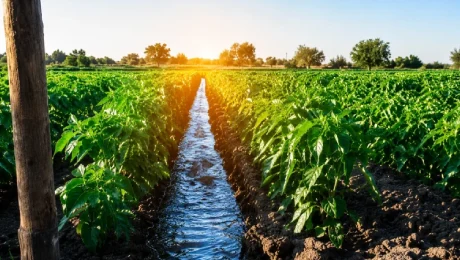
Whether you work on household domestic water, farm irrigation, or engineering water‑supply projects, properly configured drilling equipment directly impacts borehole quality, drilling efficiency, and the long‑term service life of the finished well. Furthermore, this guide lists core and auxiliary equipment for standard water‑well drilling jobs.
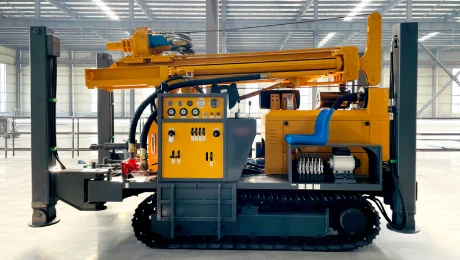
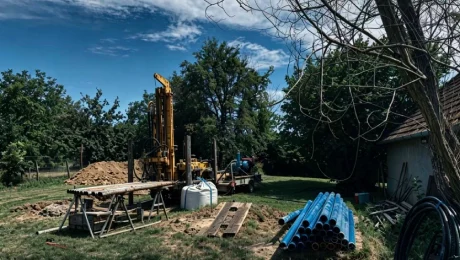
Core Drilling Equipment & Supporting Components
A drilling rig alone cannot finish well‑forming work. In fact, you need complete matched tools and auxiliary systems to carry out full‑process standardized construction.
Drill Bits
Serving as core rock‑breaking tools, drill bits mount at the bottom of the drill string. Different bit types fit different geological layers. Drag bits work for soft soil and clay strata. By contrast, tricone roller bits and DTH hammer bits handle gravel, hard soil and hard rock formations. You can boost penetration speed and cut tool wear by choosing the right bit for your stratum.
Drill Pipe
Built by connecting high‑strength integral drill pipes section by section, the full drill string serves multiple purposes. It transfers rotary torque and downward thrust. Meanwhile, it forms a passage to send drilling fluid or compressed air down the hole for steady, continuous drilling.
Mud Pump & Mud Tank System
This set acts as key support for mud rotary drilling. It circulates and conditions drilling mud to remove downhole cuttings. Apart from that, it stabilizes borehole walls, balances formation pressure and prevents hole collapse. Such equipment fits loose soil, sand beds and water‑rich unstable strata very well.
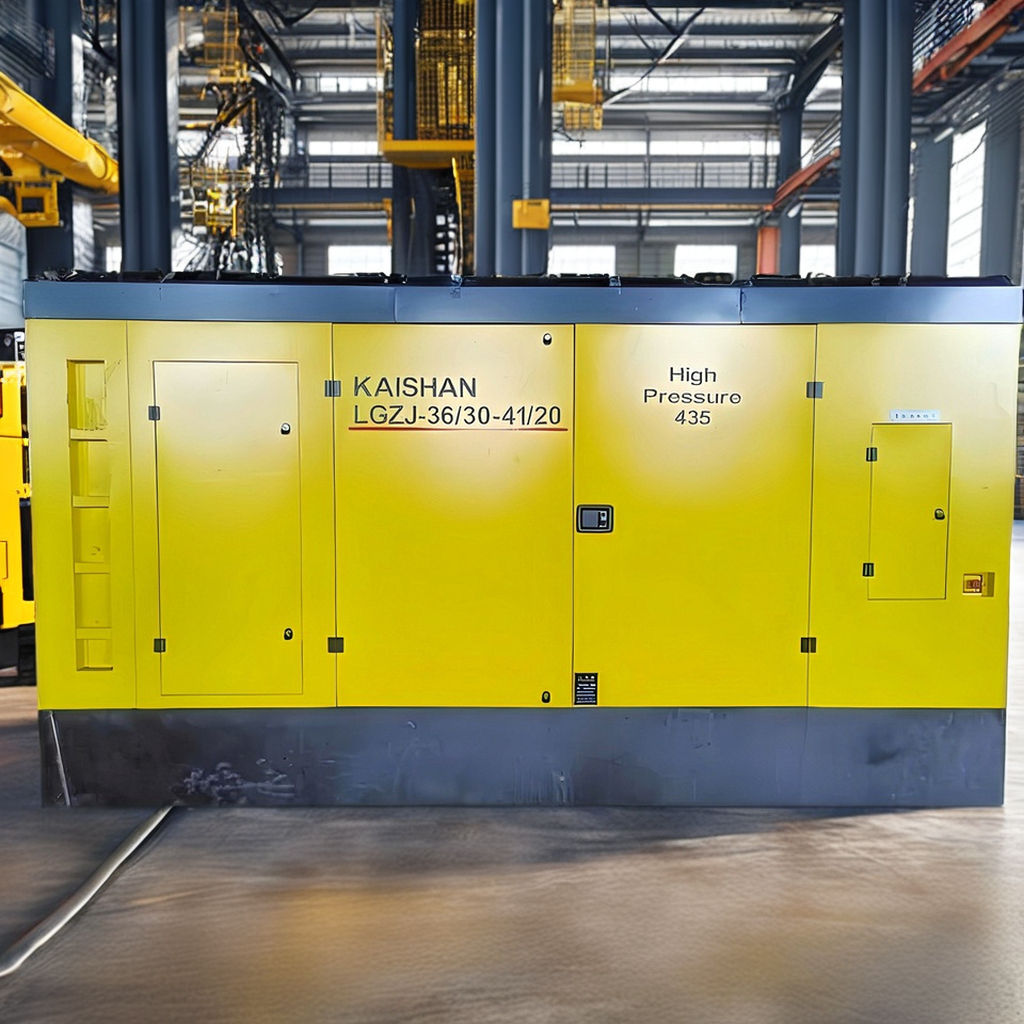
Air Compressor
For pneumatic rotary drilling and DTH percussion drilling, air compressors supply critical power. They deliver high‑pressure, high‑volume compressed air. This airflow clears underground cuttings and cools drill bits, while driving DTH hammers. Therefore, air compressors are vital for high‑efficiency hard‑rock drilling.
Well Casing
Workers lower standard‑size steel or PVC protective pipes into finished boreholes. These casings offer permanent support for well walls. Besides, they stop borehole collapse, block shallow surface sewage and contaminants, and keep deep aquifers clean. They act as the long‑term protective structure for the water well.
Hoisting System
The hoisting system includes a rig winch and derrick. Operators rely on it to lift, lower and secure heavy drill strings, casings and downhole tools. In addition, it supports safe, fast tool replacement and pipe installation throughout drilling and well completion.
Well Screen
Well screens are slotted, perforated filter pipes fitted at the bottom of casings. Groundwater can flow freely into the well through these screens, yet sand, gravel and sediment get blocked. In this way, they stop sand inflow and maintain stable, clean well water.
Well Development & Final Completion Process
Finishing drilling and casing installation does not equal a finished water well. Above all, you still need professional well‑development work. It clears aquifer pores, flushes out leftover drilling debris, and maximizes the well’s water output.
Special flushing tools and surge devices are used for cyclic well flushing, removing fine sediment, residual mud and blocked impurities in aquifer fractures, dredging groundwater flow channels, and restoring the natural water permeability of the aquifer.
Temporary test pumps are applied to conduct water yield detection and water quality testing. By measuring stable flow rate and water clarity, it verifies whether the well meets domestic water or irrigation water standards before formal use.
After passing the well test, a matched submersible pump is installed at the stable water level inside the casing. Supporting power and water delivery pipelines deliver clean groundwater to residential water supply systems or farm irrigation systems, realizing long-term stable water supply.
Conclusion
Standard water‑well drilling represents a full‑set systematic engineering workflow. It calls for coordinated operation among drilling rigs, professional drilling tools, power units, well‑completion accessories and post‑processing equipment.
In addition, you should tailor your exact equipment‑matching scheme for local geological conditions, target drilling depth and water‑supply requirements. Therefore, scientific equipment selection and standardized configuration lay the fundamental guarantee for high‑quality borehole formation, satisfactory water output and long service life of water wells.