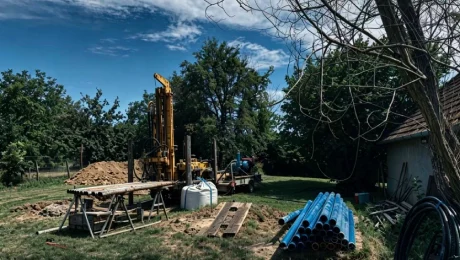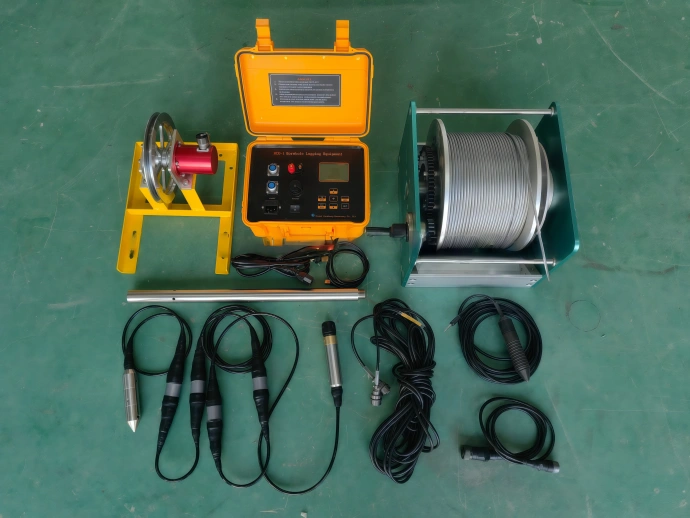
Water well drilling rigs are professional matched equipment for penetrating strata, stabilizing boreholes and accessing clean groundwater. In addition, from core water well drilling rigs to auxiliary tools and post‑drilling supporting devices, every piece of equipment directly determines drilling efficiency and final well quality.
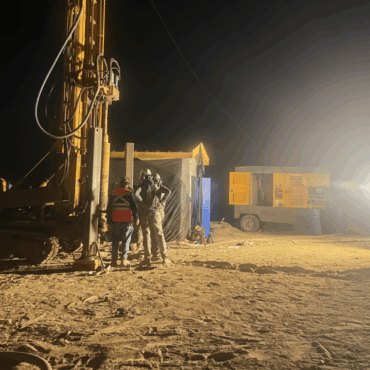
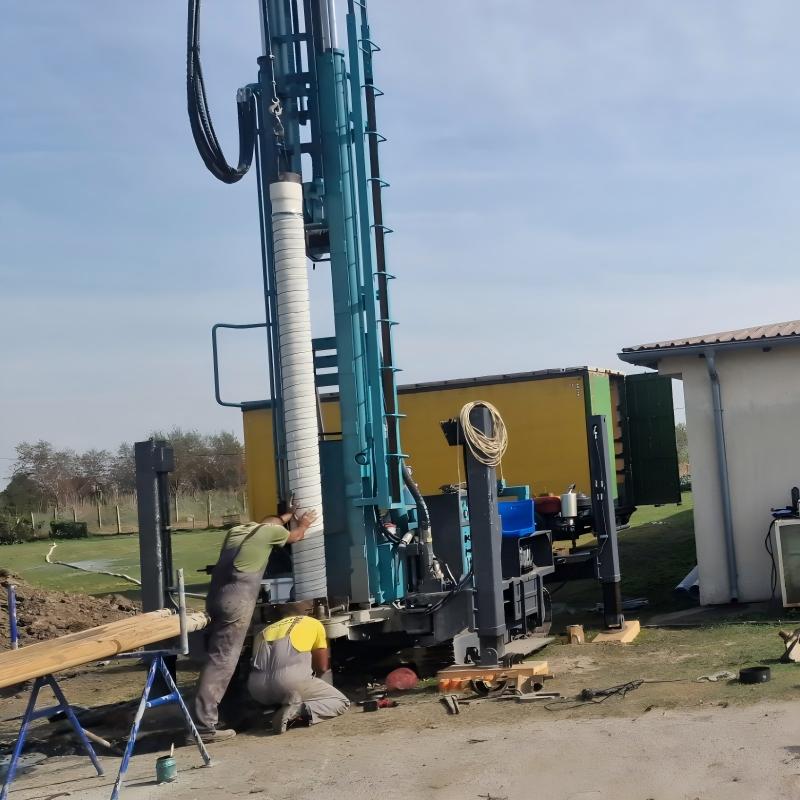
Core Water Well Drilling Rigs
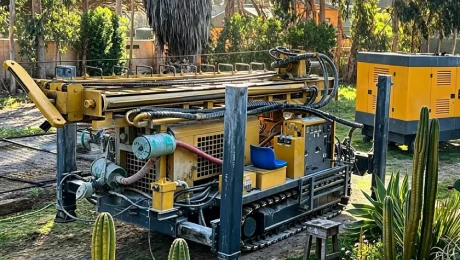
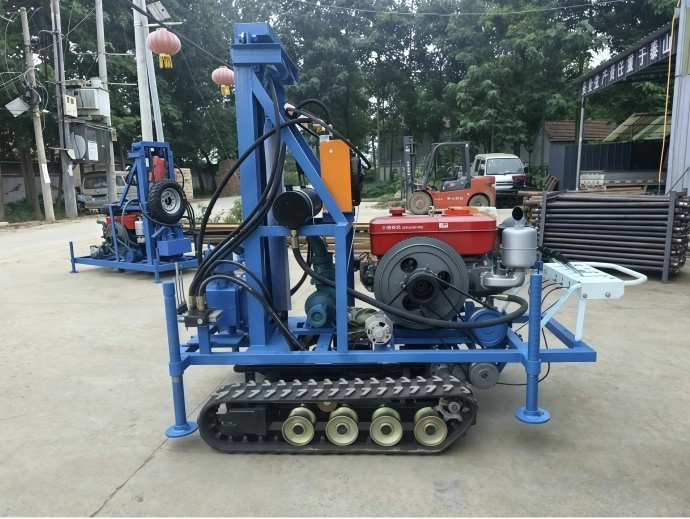
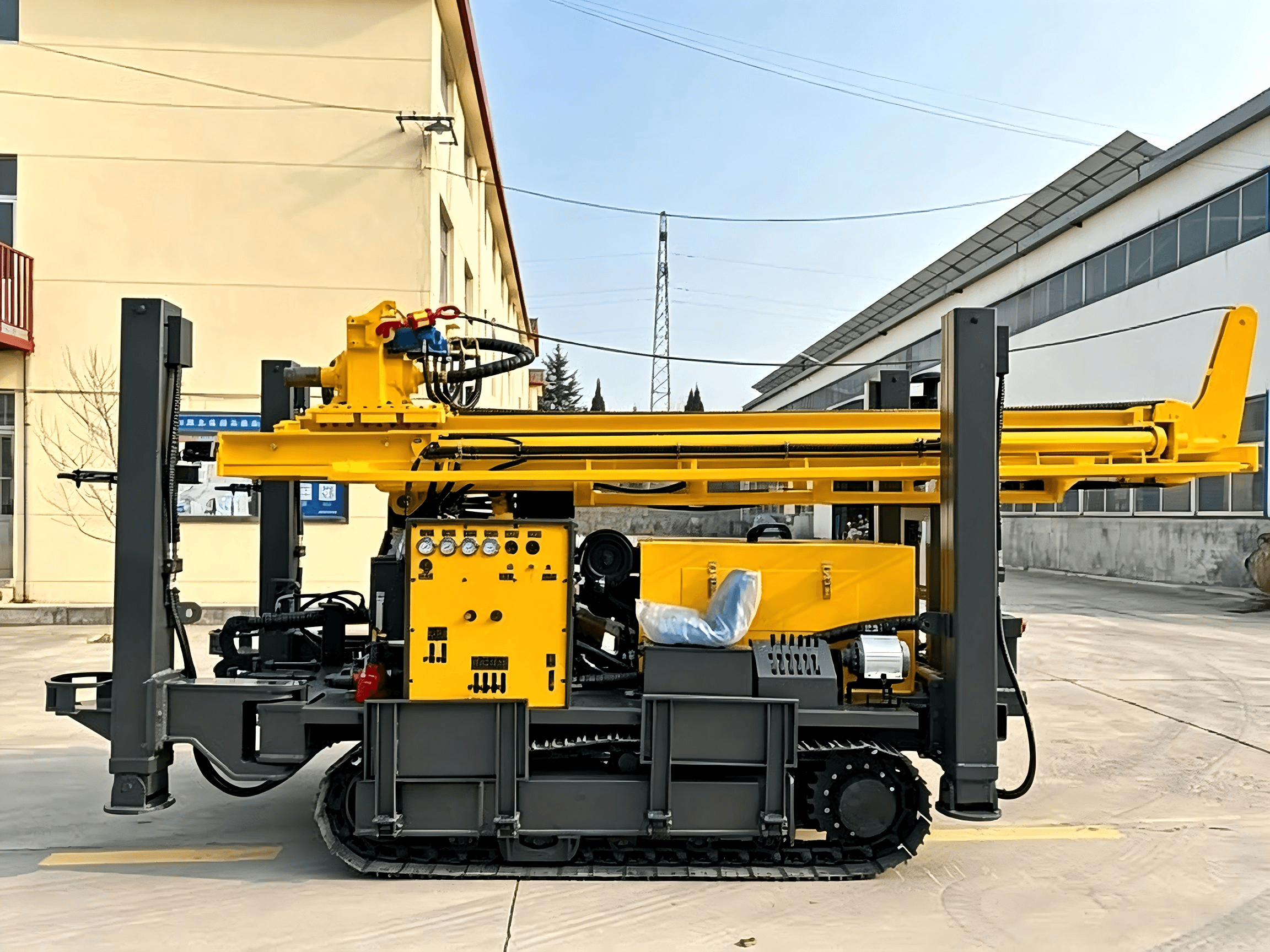
The drilling rig serves as the core equipment for water well projects. Specifically, it delivers stable rotation, torque and feed pressure to break rock and soil formations. Three mainstream models are available to fit diverse geological conditions:
Rotary Drilling Rigs: The most widely‑used solution. Meanwhile, working together with mud circulation systems, they cool drill bits, remove cuttings and stabilize borehole walls. Thus, they work perfectly for regular soil and soft‑rock strata.
Cable Tool Percussion Rigs: Traditional punching drilling machines. Operators repeatedly lift and drop heavy drill bits to crush rock. Furthermore, they deliver reliable performance for complicated special strata.
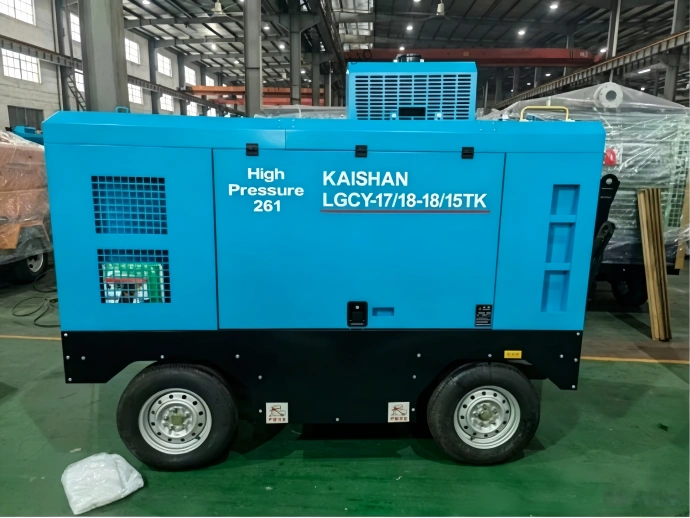
Air Rotary Drilling Rigs: Operators match these units with high‑power air compressors for dry drilling. Compressed air blows out cuttings. As a result, these rigs achieve high‑efficiency hard‑rock drilling.
For more background, read about groundwater well drilling fundamentals.
Key Auxiliary Drilling Equipment
Besides, full sets of supporting tools keep water‑well drilling construction safe and smooth:
Drill Bits & Drill Pipes: Manufacturers produce custom‑designed drill bits for clay, sand and hard rock. High‑strength drill pipes transfer power and connect the complete drill string.
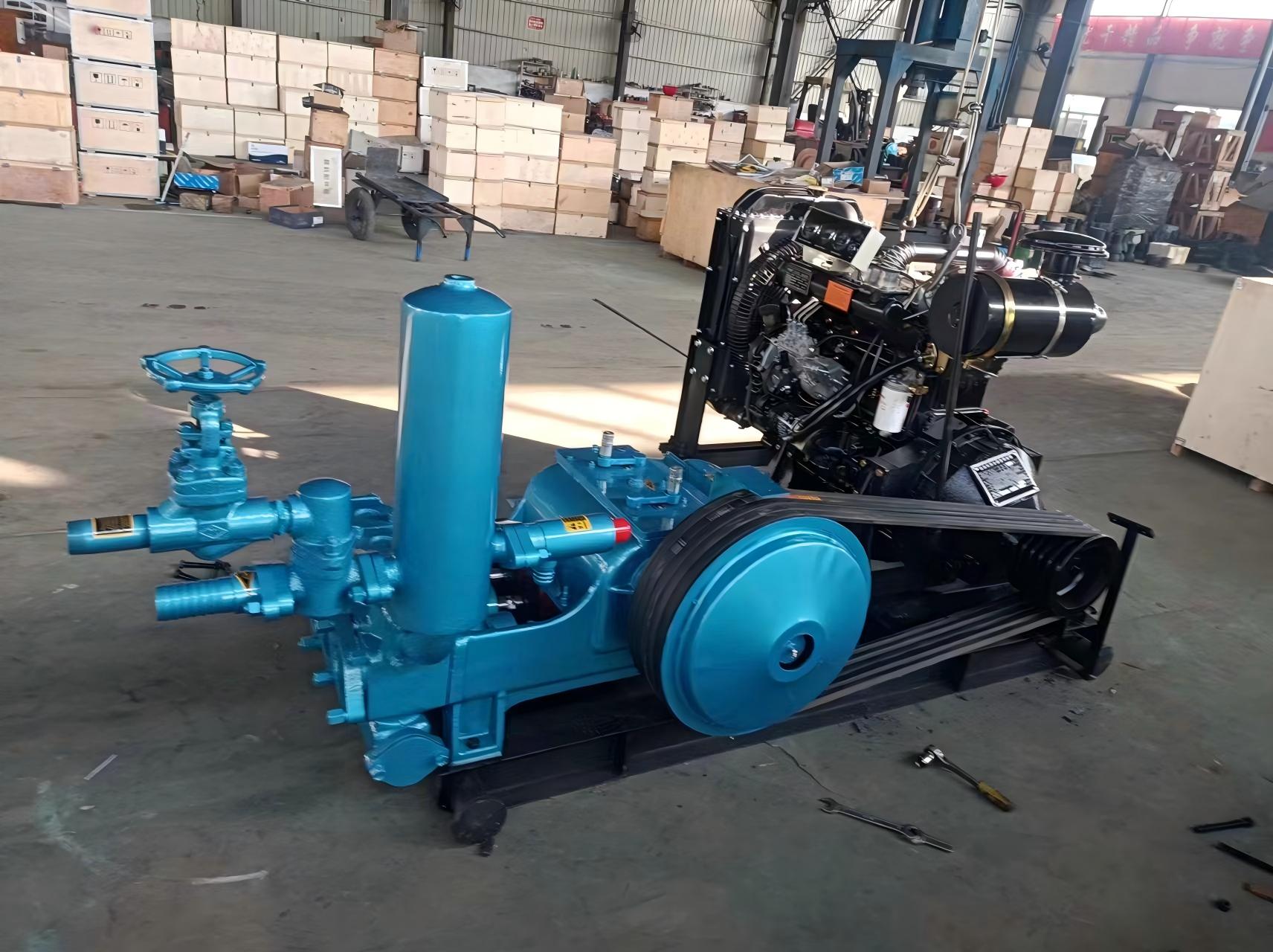
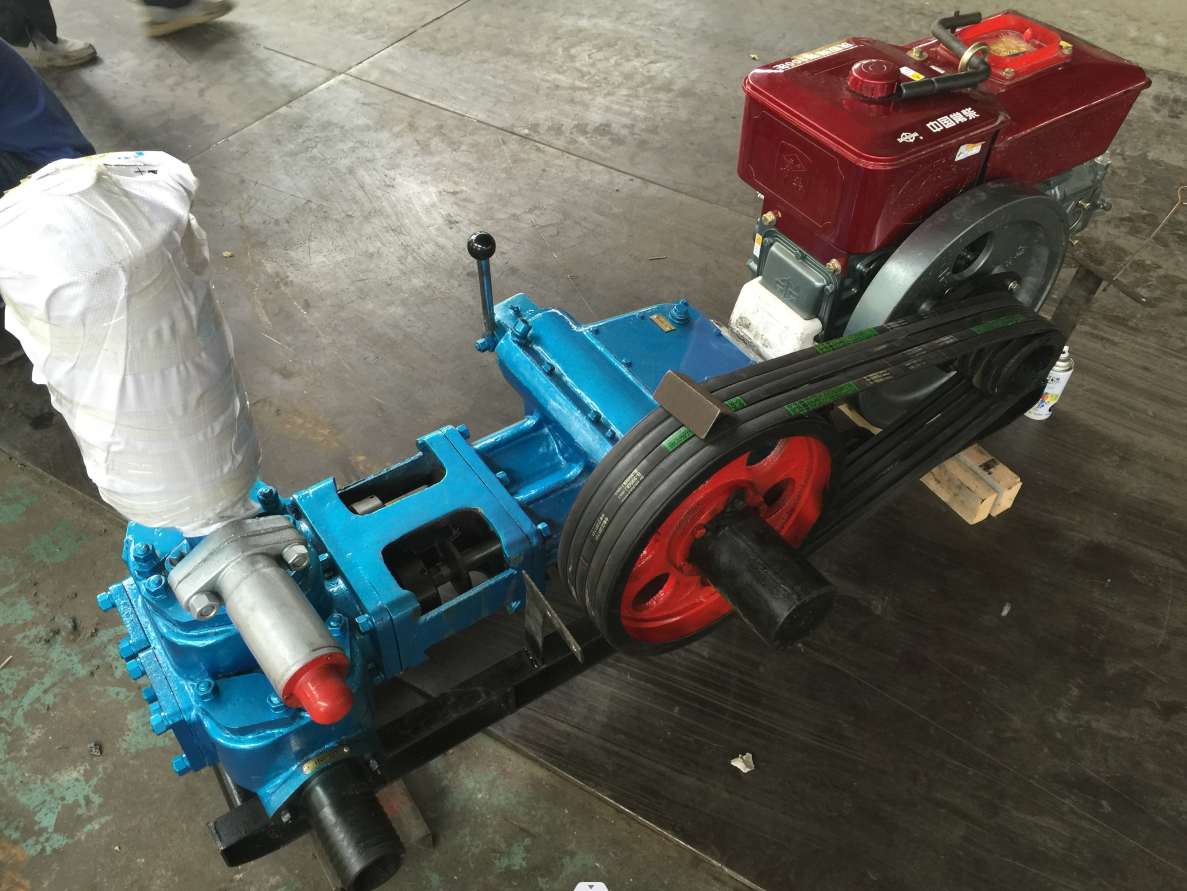
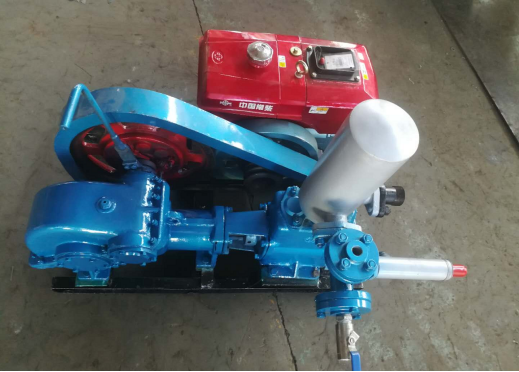
Mud Pumps & Air Compressors: Mud pumps support wet‑drilling operations to stabilize boreholes. Meanwhile, air compressors supply air power for hard‑rock dry drilling.
Casing & Well Screen: Casing stops borehole collapse and blocks pollutants. In particular, well screens filter sediment and sand to secure clean groundwater inflow.
Hoisting System: Operators use specialized winches and lifting gear to safely assemble and disassemble drill strings and casing pipes.
Post‑Drilling Treatment & Submersible Pump Configuration
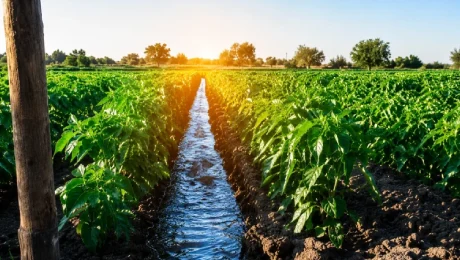
Once you finish drilling, carry out well development to wash away residual debris and guarantee smooth water inflow from aquifers. Test pumps check well yield and water quality. Finally, configure submersible water pumps to deliver steady water supply for residential use and farm irrigation.
Conclusion
Refer to professional water well construction standards. Therefore, reliable water well construction depends on properly matched water well drilling rigs and supporting accessories. Select suitable drilling equipment based on local geological conditions and target drilling depth for efficient, stable and long‑lasting well projects.